
Case Study: One Gas System, Four Separate Leaks
Finding One Gas Leak Does Not Mean There Is Only One
One of the most important realities of gas leak detection is something many property owners understandably do not expect:
A gas system can have multiple independent leaks at the same time.
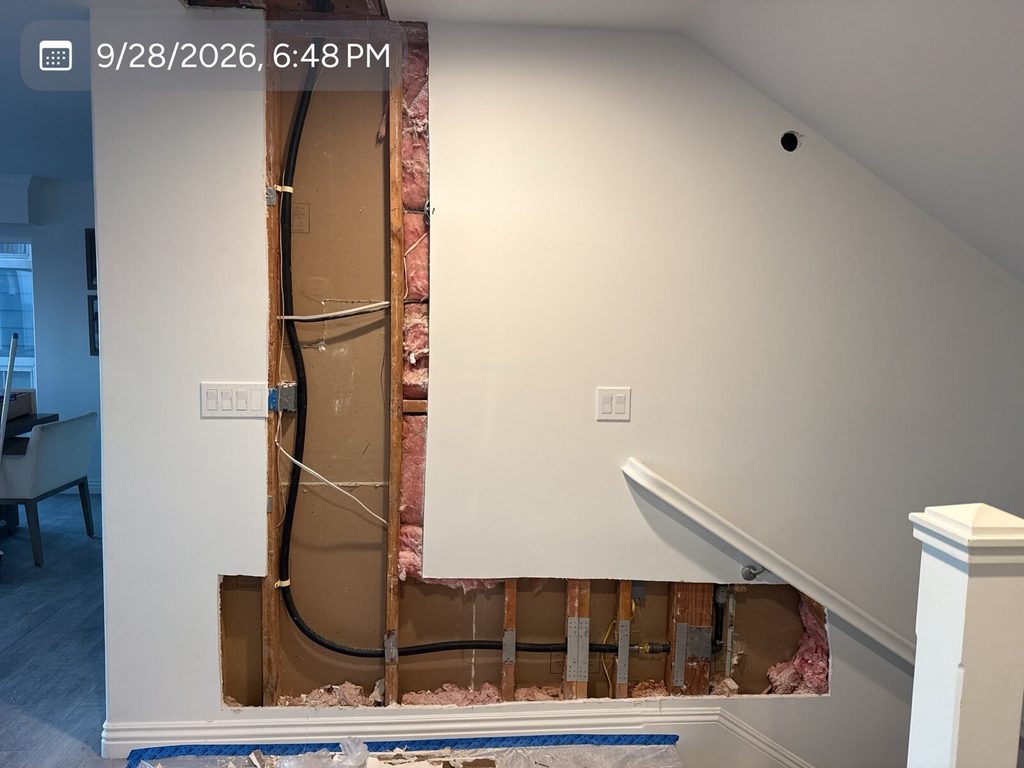
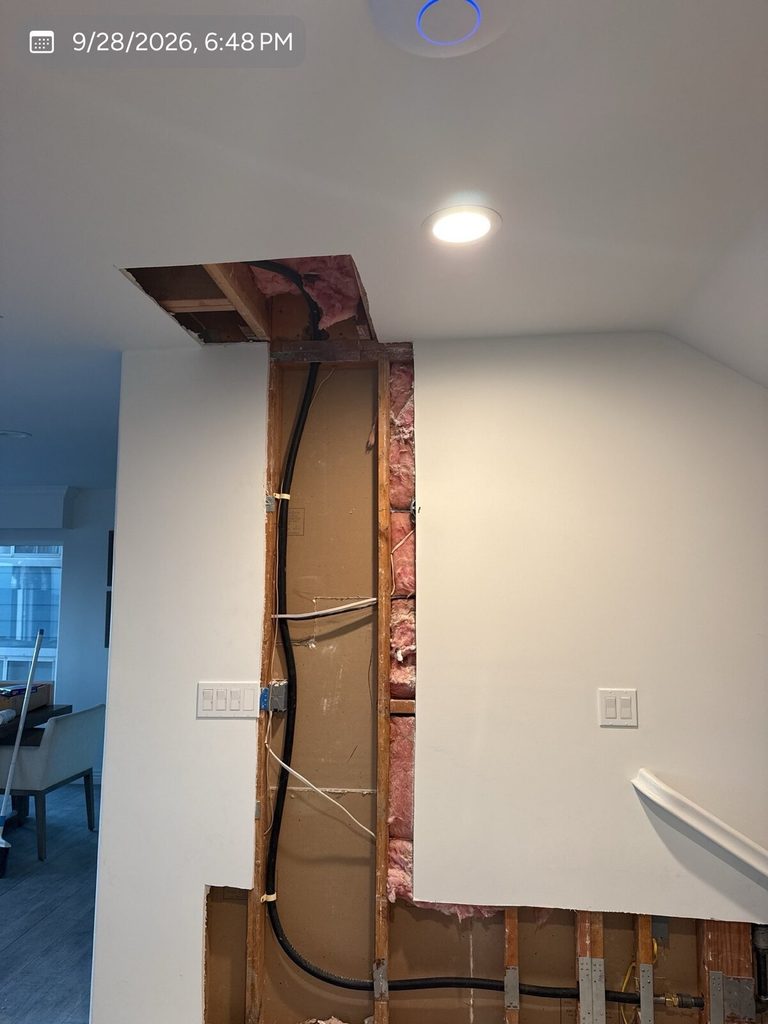
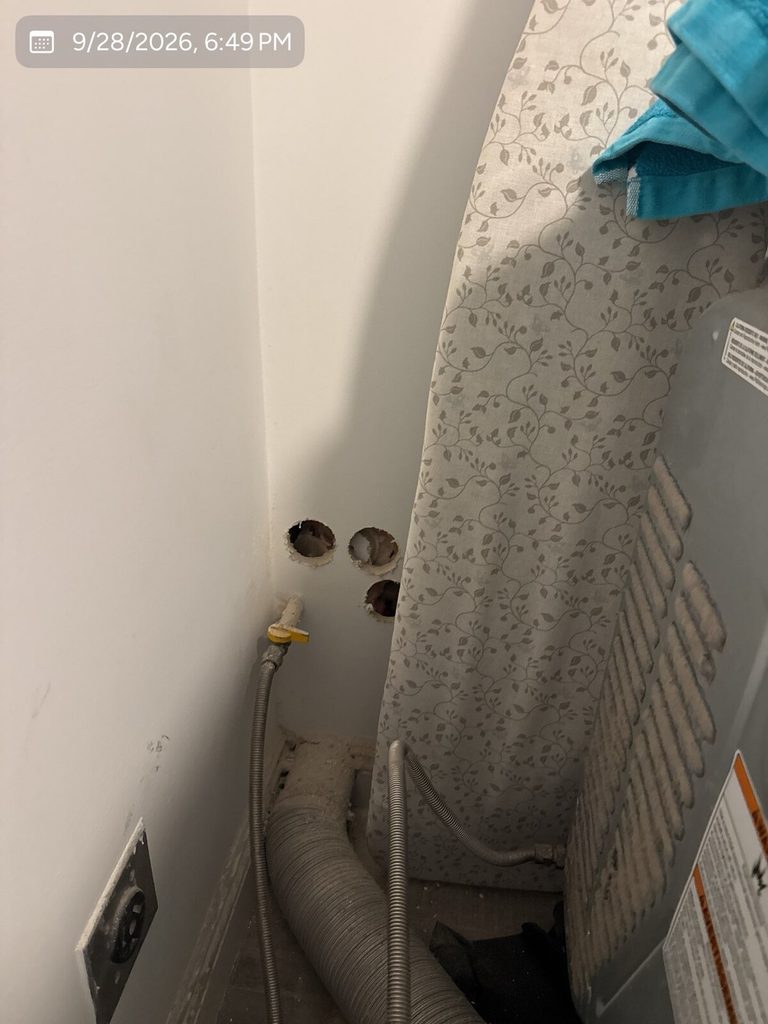
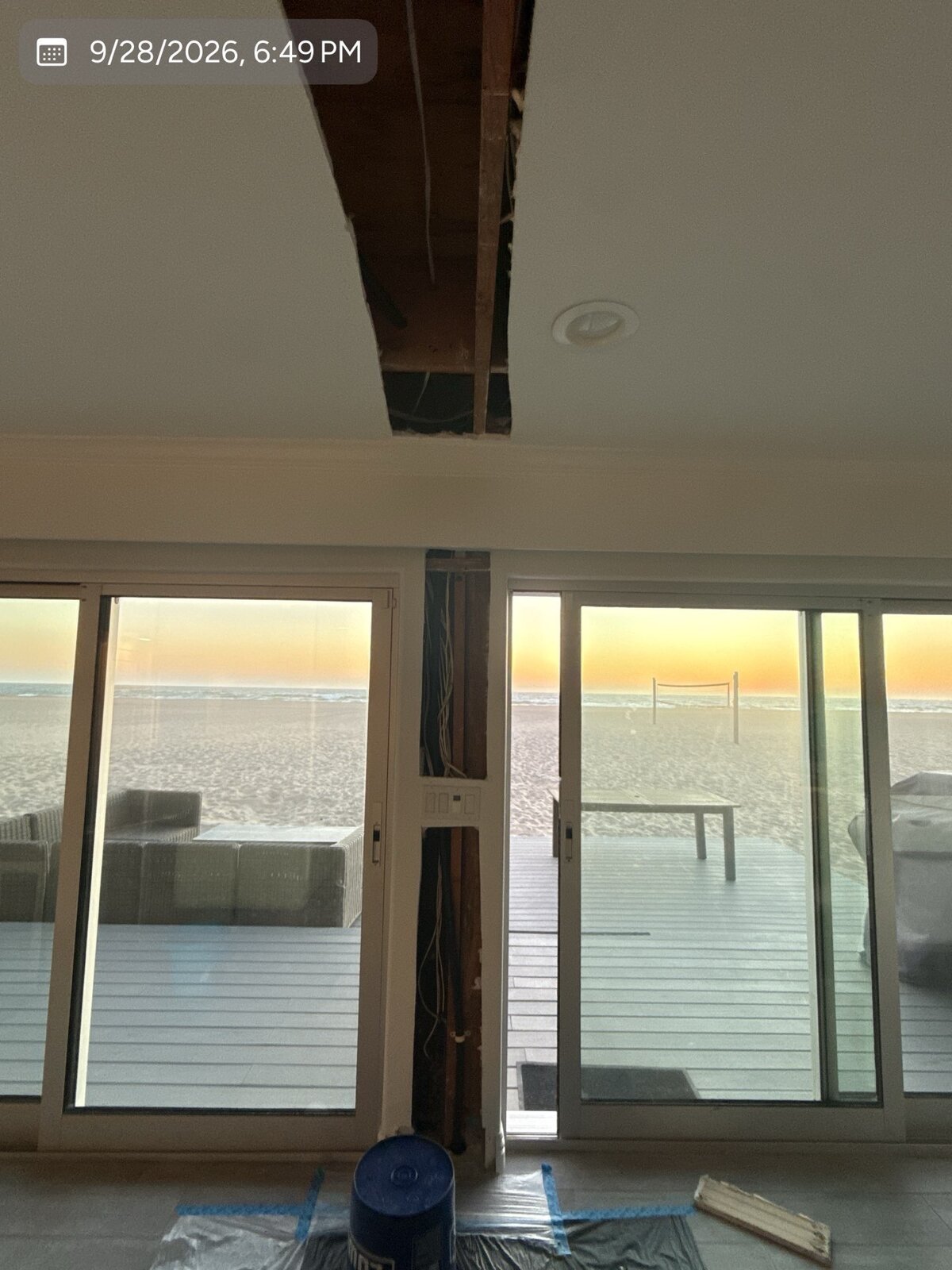
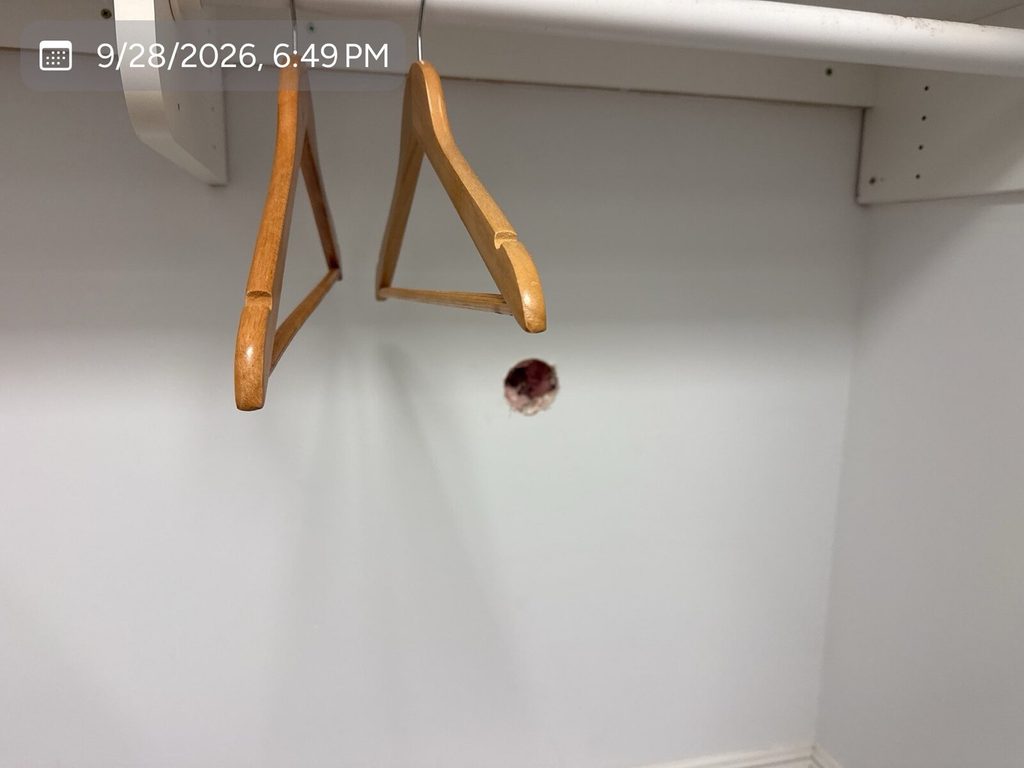
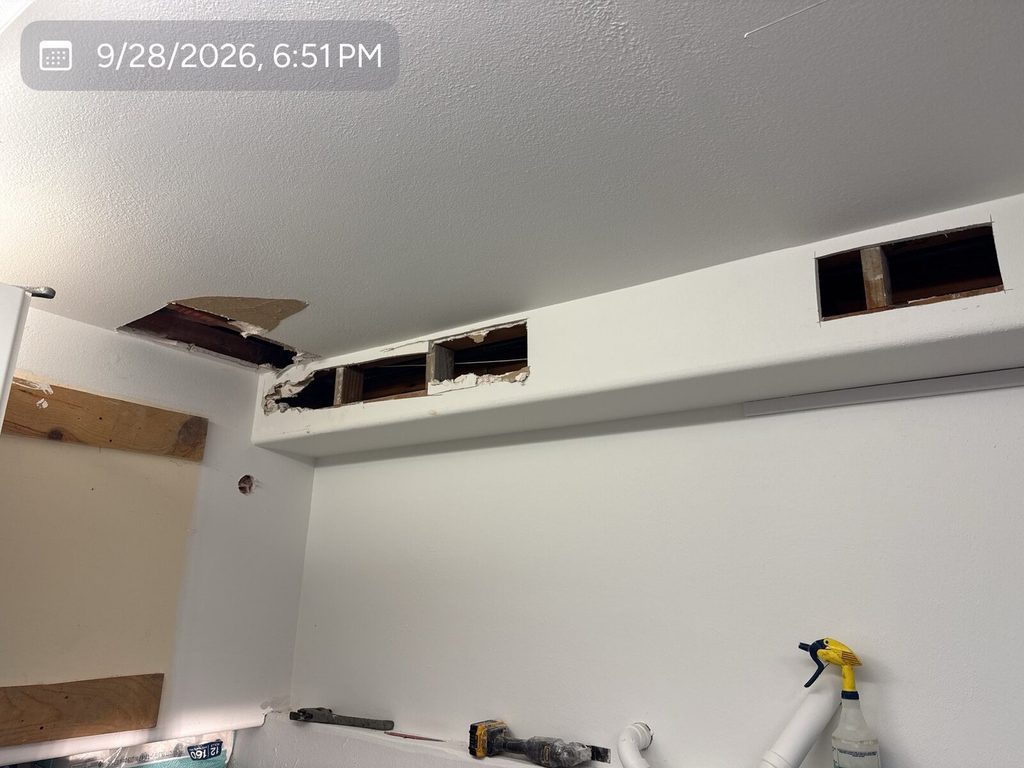
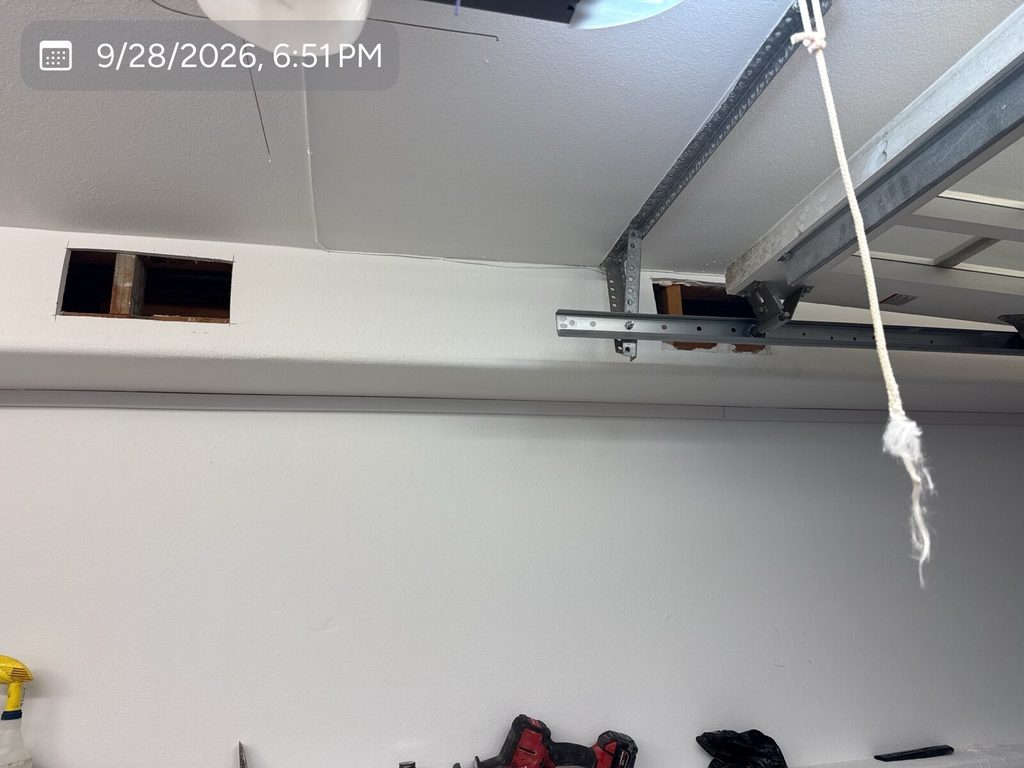
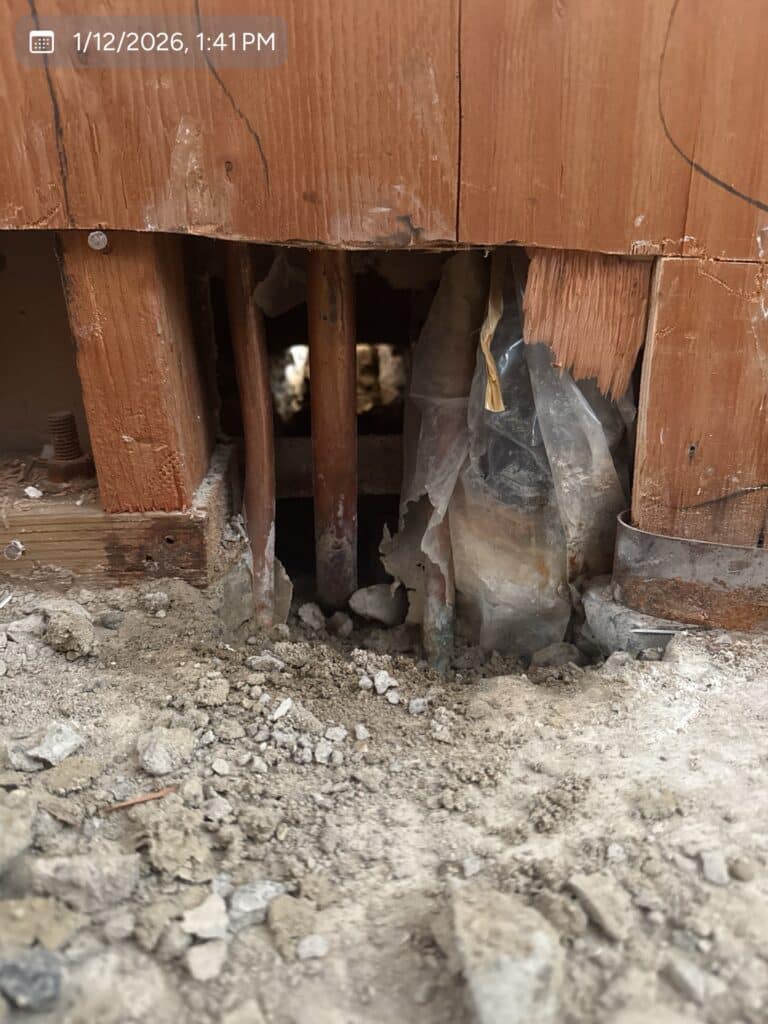
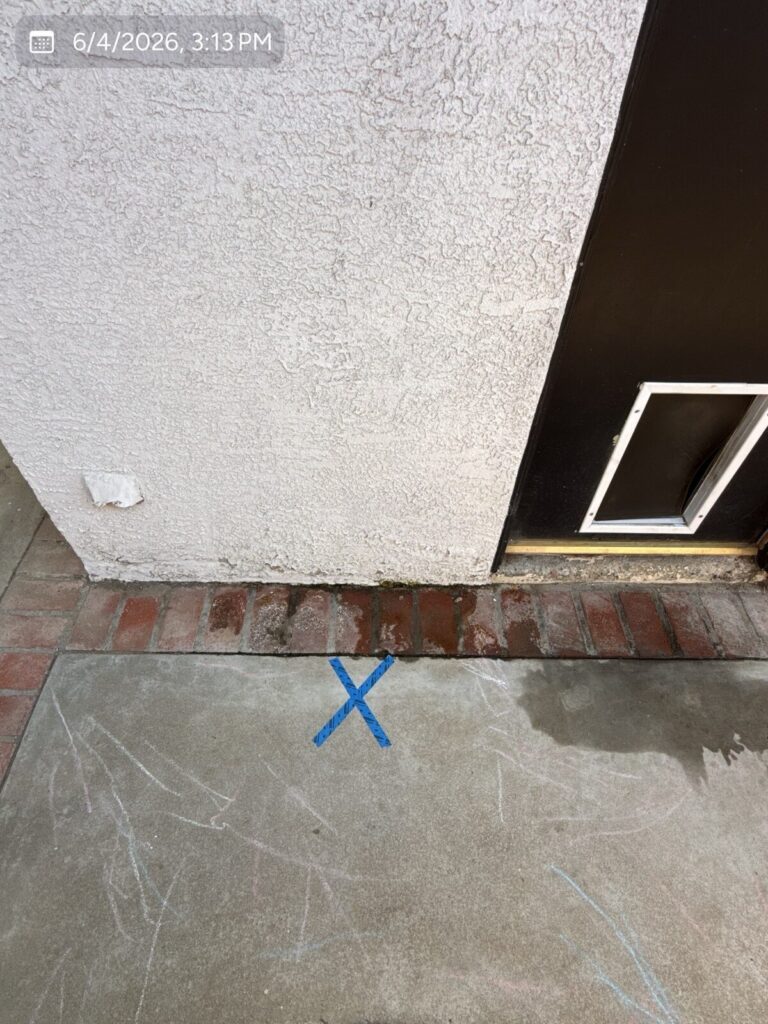
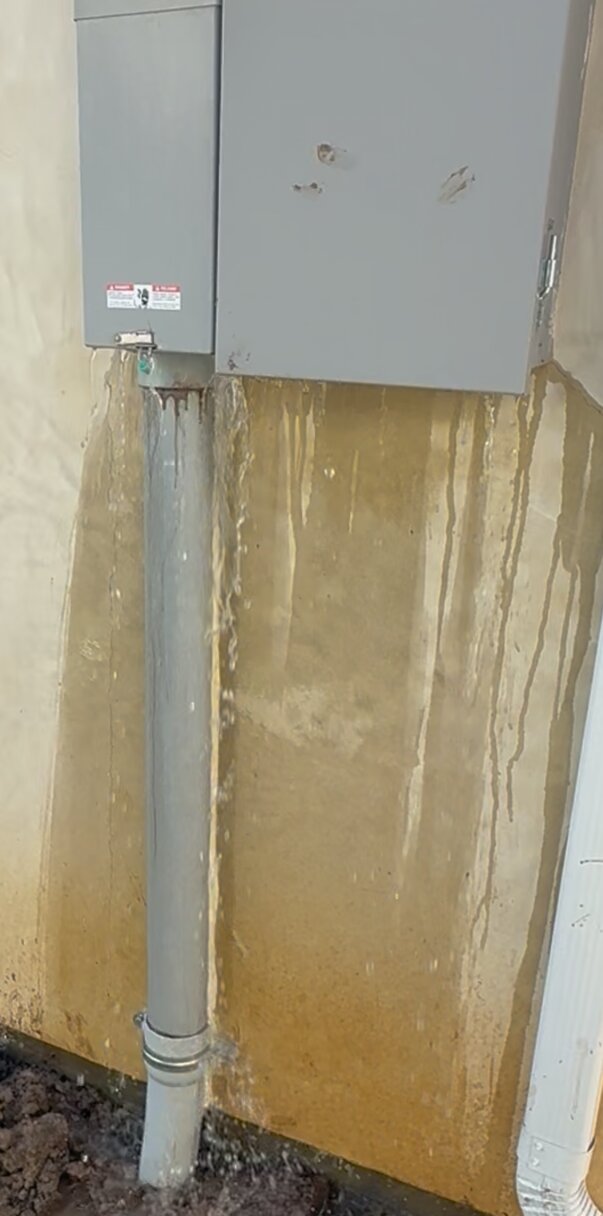
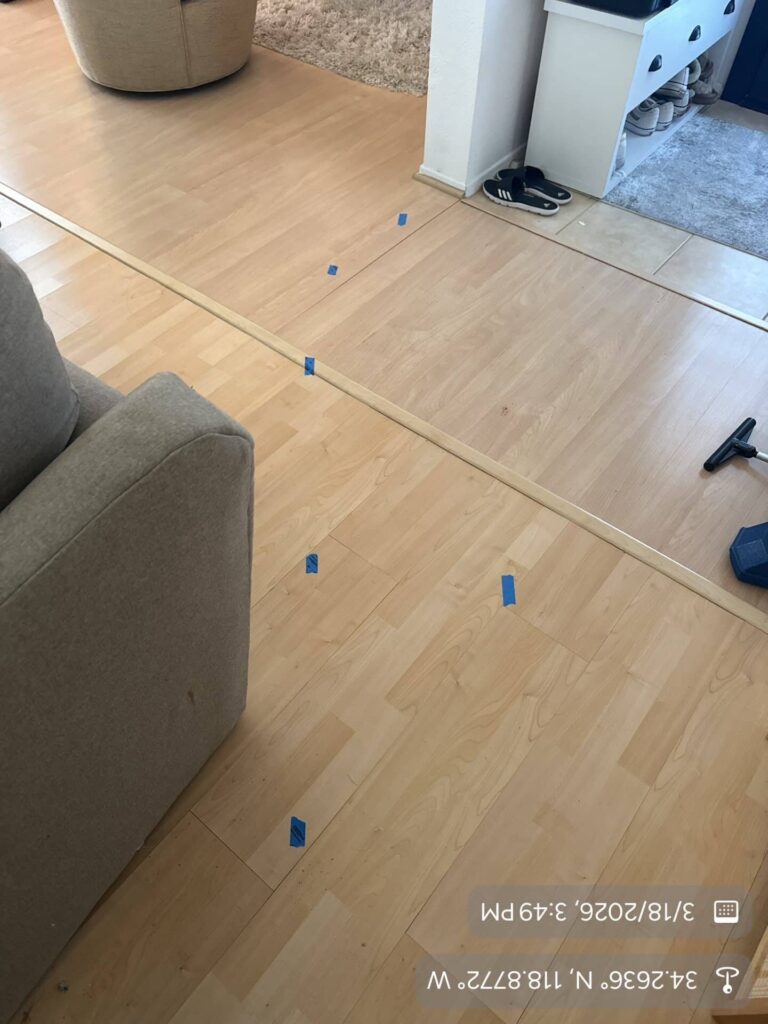
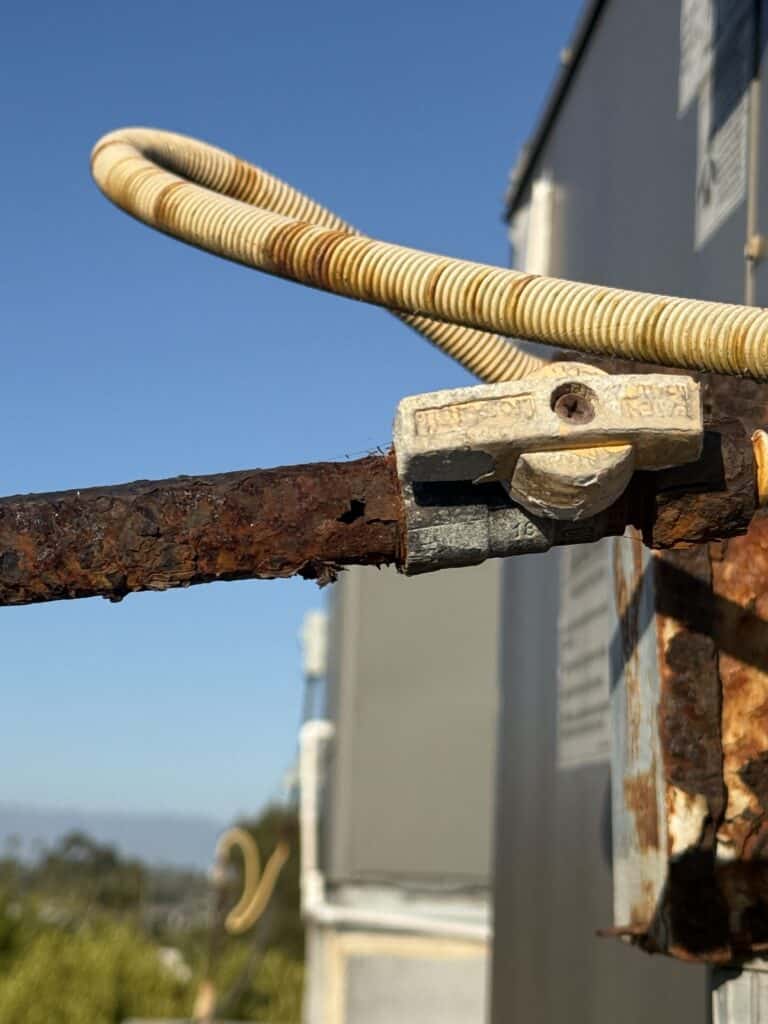
In this case, our investigation ultimately identified four separate gas leaks at a single residence.
What makes this case particularly important is that the occupants did not originally know they had a gas leak. There was no obvious gas odor that had prompted them to begin searching for a leak.
This case demonstrates why gas leak detection needs to be approached as a methodical diagnostic process—and why finding one leak should not automatically be interpreted as proving that the entire gas system is leak-free.
Two Very Different Ways Gas Leak Investigations Begin
Gas leak detection calls generally begin under very different circumstances.
In the first situation, someone smells gas.
A detectable odor provides an important clue. It does not necessarily mean there is a massive opening in a pipe, but it does indicate that enough odorized gas is reaching an accessible area to be noticed.
Depending on the conditions and installation, a professional investigation may incorporate technologies and methods such as combustible-gas detection instruments, tracer-gas techniques, ultrasonic equipment, laser-based detection equipment, isolation testing, pressure testing, and other diagnostic procedures.
The second situation is very different.
Sometimes the property owner had absolutely no indication that a leak existed.
For example, a gas utility may shut off service before a home is tented for fumigation. Before restoring service afterward, the system may be tested. A leak can then be discovered even though the occupants had never previously smelled gas.
That creates a much different diagnostic problem.
A leak that was discovered through testing rather than odor may be extremely small or located where escaping gas does not readily migrate into an occupied area. These conditions can make locating the actual source considerably more challenging.
A Gas Odor and a Failed Gas-System Test Are Not the Same Thing
It is also important to distinguish between detecting the presence of a gas odor and demonstrating that a gas piping system will not hold the required test conditions.
We have encountered situations illustrating this distinction.
In one case, occupants smelled gas and contacted the gas utility. Their natural-gas meter was subsequently locked. When we arrived, however, the gas odor was still present even though the natural-gas supply had been shut off.
Our investigation ultimately identified a different source: a propane barbecue had accidentally been turned on.
The odor was real, but the source of that particular odor was not the home’s natural-gas piping.
Situations like this demonstrate why gas leak detection is fundamentally diagnostic work. The objective is not merely to detect “gas.” The investigator must determine what is leaking, where it is leaking, and whether the evidence actually explains the condition being investigated.
The Multiple-Leak Problem
There is another complication that customers should understand.
Suppose testing establishes that a gas system leaks.
A leak detection specialist investigates and successfully identifies a legitimate leak.
At that point, one fact has been established:
A leak has been found.
What has not necessarily been established is that no other leaks exist.
There may be one leak.
There may be two.
There may be four.
The difficulty is that continuing to search after finding the first leak can mean asking a customer to pay for an additional investigation into a problem that may not even exist.
Gas leak detection can be time-consuming and, depending on piping location and construction, potentially invasive. Continuing to open walls, access concealed piping, isolate sections, or perform additional diagnostic work without evidence of another leak may unnecessarily increase the customer’s cost and property disruption.
That is not the approach we recommend.
Find. Repair. Retest.
A more defensible process is sequential:
Locate the confirmed leak → Repair the leak → Retest the gas system → Determine whether another leak remains.
If the repaired system passes the appropriate test, there may be no reason to continue searching.
If it fails again, however, we now have objective evidence that an additional problem remains. A new leak detection investigation can then begin based on that evidence.
This process can repeat until the system satisfies the applicable testing requirements.
This approach protects the customer from paying for speculative leak detection while also recognizing that multiple leaks are possible.
This Residence Had Four Separate Leaks
The property in this case is an excellent example.
The occupants had not been living with an obvious gas odor and were not aware that their system had multiple leaks.
Our initial investigation successfully identified a legitimate leak.
But locating that leak could not, by itself, establish that it was the only leak.
After the appropriate repair and subsequent testing, evidence showed that another leak remained. The investigation therefore continued.
Ultimately, four separate leaks were identified on the same gas system.
Four leaks is certainly not something a property owner should automatically expect. But neither should multiple leaks be treated as impossible or extraordinary simply because the first leak has already been found.
“I Hired a Leak Detection Company. Why Didn’t You Find Every Leak at Once?”
This is an understandable question.
The answer comes down to what can actually be established during an investigation.
Finding a gas leak is not necessarily equivalent to conducting an exhaustive investigation of every component and every foot of piping throughout an entire property.
Consider a simpler plumbing example.
Hiring a plumber to replace one defective faucet does not mean the plumber has been hired to replace every faucet in the building.
Similarly, locating one gas leak is a complete diagnostic process. Locating a second leak may require repeating portions of that process under a new set of conditions.
More importantly, before the first leak is repaired and the system is retested, there may be no objective evidence demonstrating that a second leak exists.
We do not believe customers should automatically be charged to search for hypothetical additional leaks.
Instead, testing should guide the investigation.
Why Professional Gas Leak Detection Requires More Than Owning a Gas Detector
This case also illustrates why specialized leak detection should not be confused with simply purchasing leak detection equipment.
Gas detectors, sniffers, ultrasonic equipment, tracer-gas systems, laser instruments and other technologies are tools.
The tool is not the investigation.
The value comes from knowing which method is appropriate, understanding the limitations of each technology, interpreting the results correctly, isolating portions of a system when necessary, understanding gas migration, distinguishing a detected gas from its actual source, and knowing when the available evidence justifies additional investigation.
Many plumbing companies advertise leak detection because they own some of this equipment. Equipment ownership alone, however, does not demonstrate specialized leak-detection capability.
Our company is regularly contacted by contractors and plumbing companies to perform leak detection precisely because locating difficult leaks requires specialized experience, procedures, instrumentation, and diagnostic judgment.
The distinction matters because an incorrect diagnosis can result in unnecessary repairs, unnecessary demolition, repeated service calls, extended utility interruptions, and significantly higher costs for the property owner.
Why Industry Standards Matter
Gas leak detection is an area where clearer industry standards can benefit both customers and contractors.
Customers should be able to understand what a “gas leak detection” service actually includes.
Standards could help establish expectations regarding testing, documentation, equipment, technician training, verification procedures, scope of work, repair-and-retest protocols, and what constitutes sufficient evidence to continue an investigation.
Without clearly understood standards, a customer may reasonably assume that hiring someone who advertises “gas leak detection” means that contractor has the training, procedures and experience necessary to perform specialized diagnostic work.
Unfortunately, owning detection equipment and possessing the expertise to conduct a professional leak investigation are not the same thing.
Better standards would help qualified professionals demonstrate their capabilities while giving consumers a clearer basis for evaluating the services they are purchasing.
Setting the Right Expectation
The lesson from this case is straightforward:
Finding one gas leak proves that one leak was found. It does not prove that another leak does not exist.
The responsible approach is not to assume there are additional leaks, nor is it to assume there cannot be additional leaks.
It is to let testing answer the question.
Find the confirmed leak. Repair it. Retest the system. If the system still fails, investigate again.
In this case, that process ultimately revealed four separate leaks at one residence.
That is exactly why documenting real gas leak investigations matters. As more cases are recorded, actual field data can help establish how frequently multiple leaks occur and give property owners more realistic expectations about what may be involved in restoring a leaking gas system.