
Case Study: $10,000+ Spent Repairing the Wrong Side of the Property
Customer Complaint
A homeowner noticed unusually high water consumption and confirmed an active leak through continuous movement at the water meter. Concerned about escalating water bills, she hired a plumbing company that advertised leak detection services.
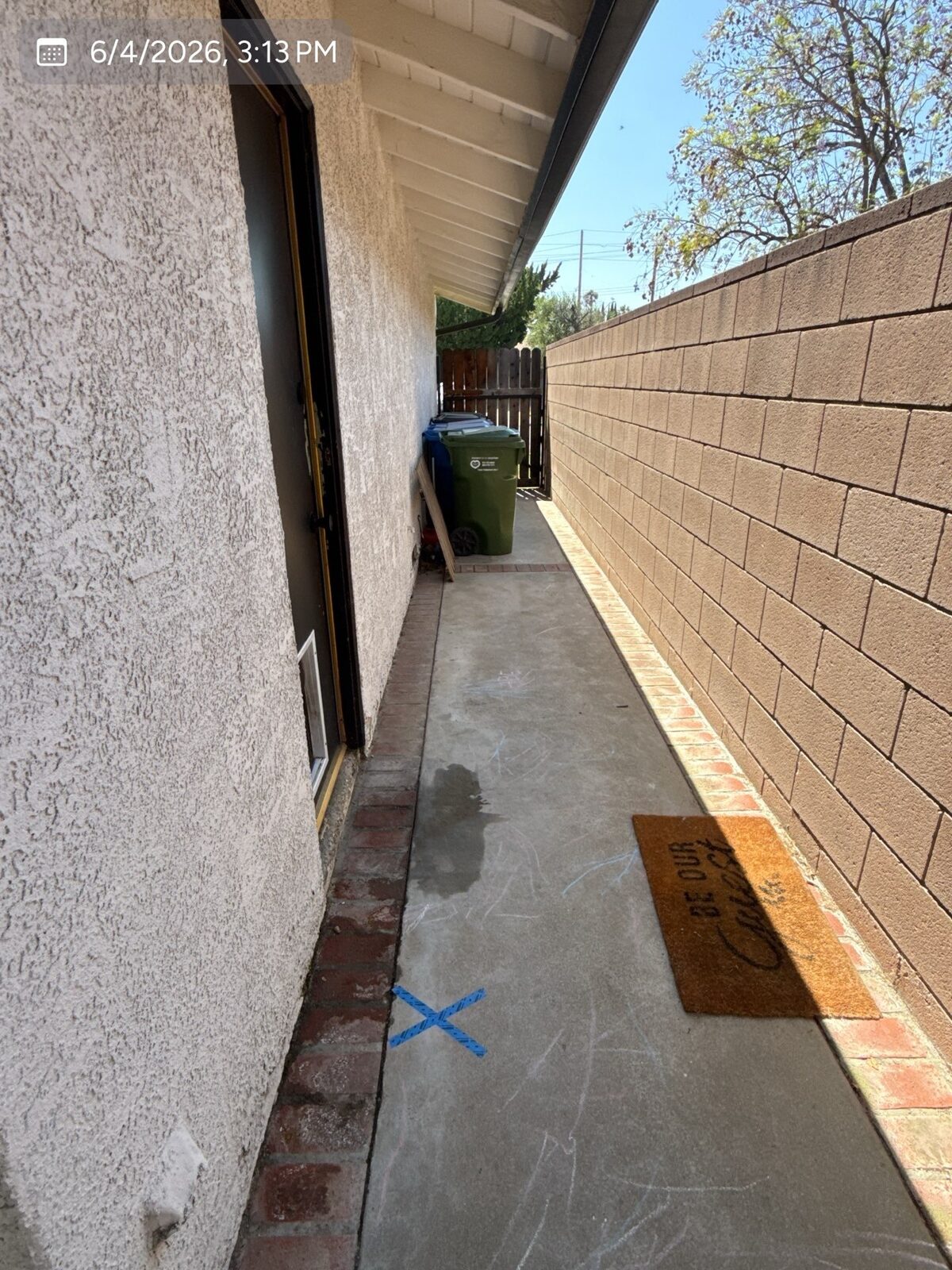
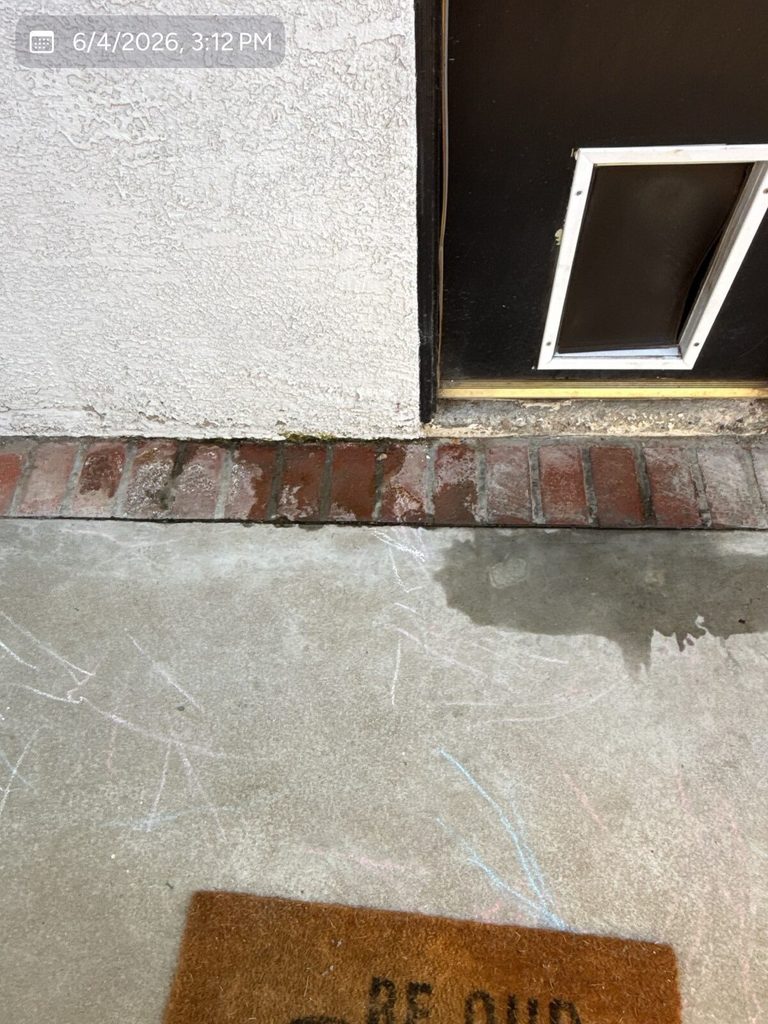
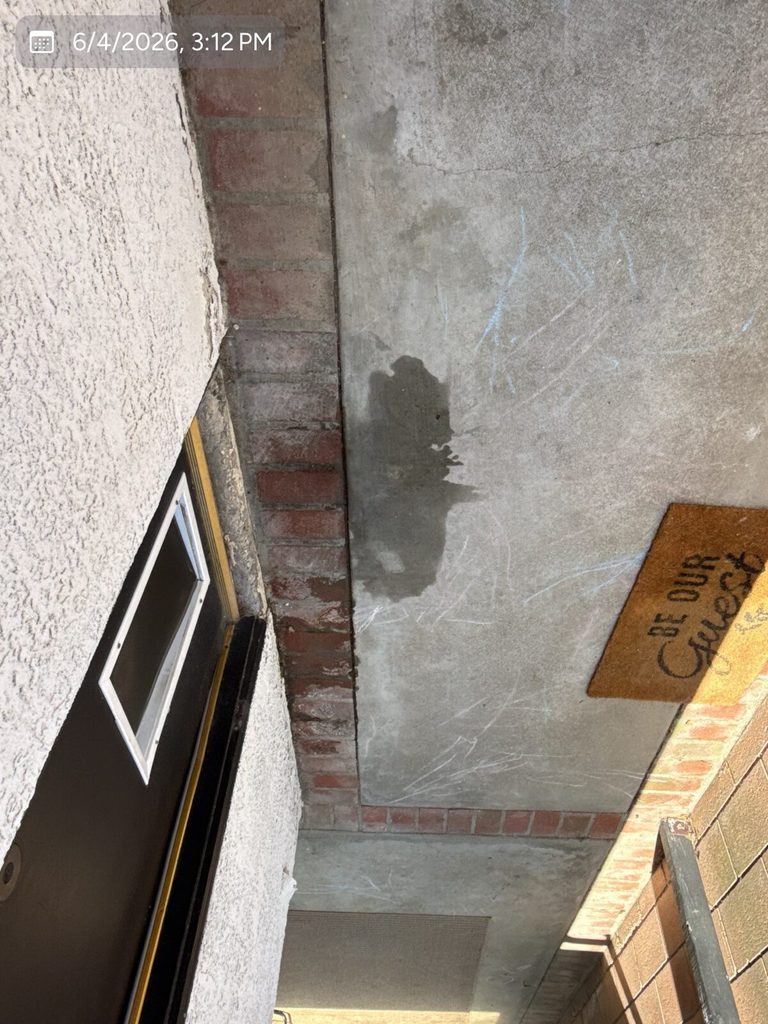
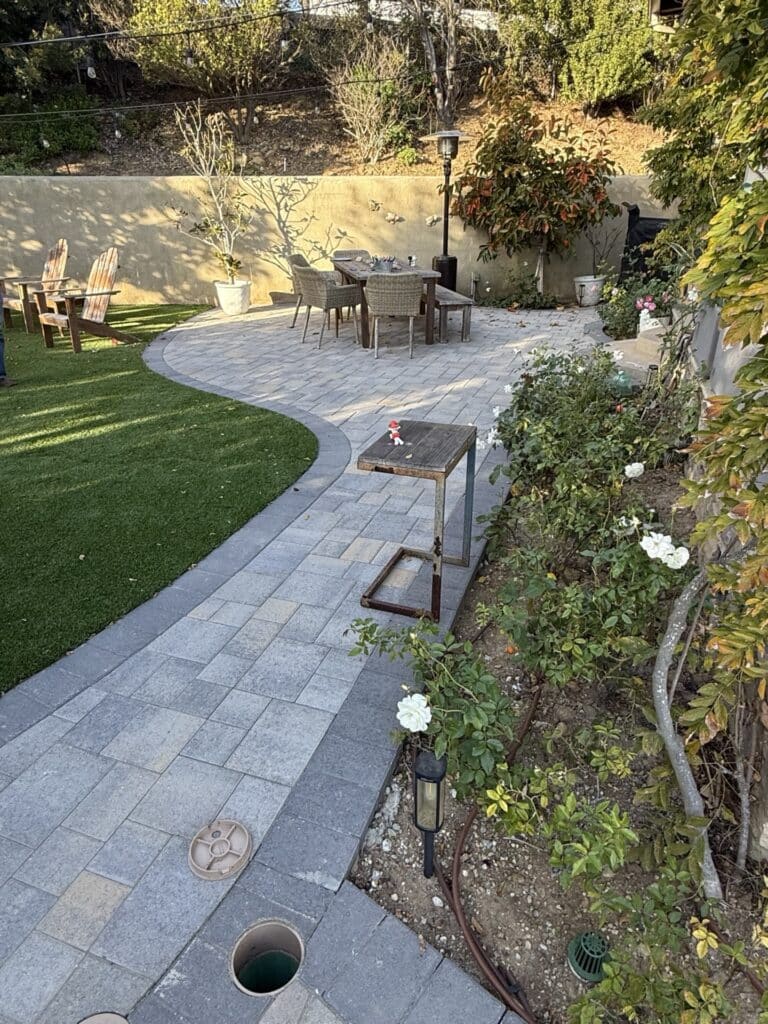
The homeowner also informed the company that she had observed visible water staining in the left side yard and believed the leak could be located in that area.
Initial Diagnosis
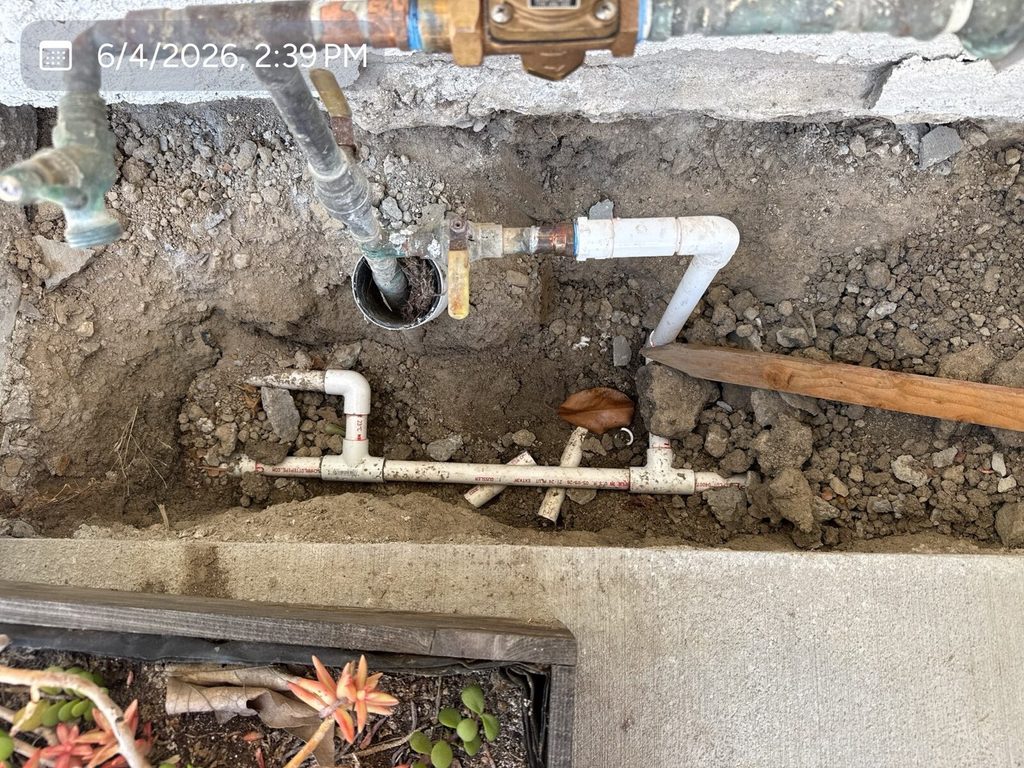
The plumbing company performed basic isolation testing and determined that when the irrigation shut-off valve was turned off, the water meter stopped moving. This confirmed that the leak existed somewhere within the irrigation system downstream of the irrigation shut-off valve.
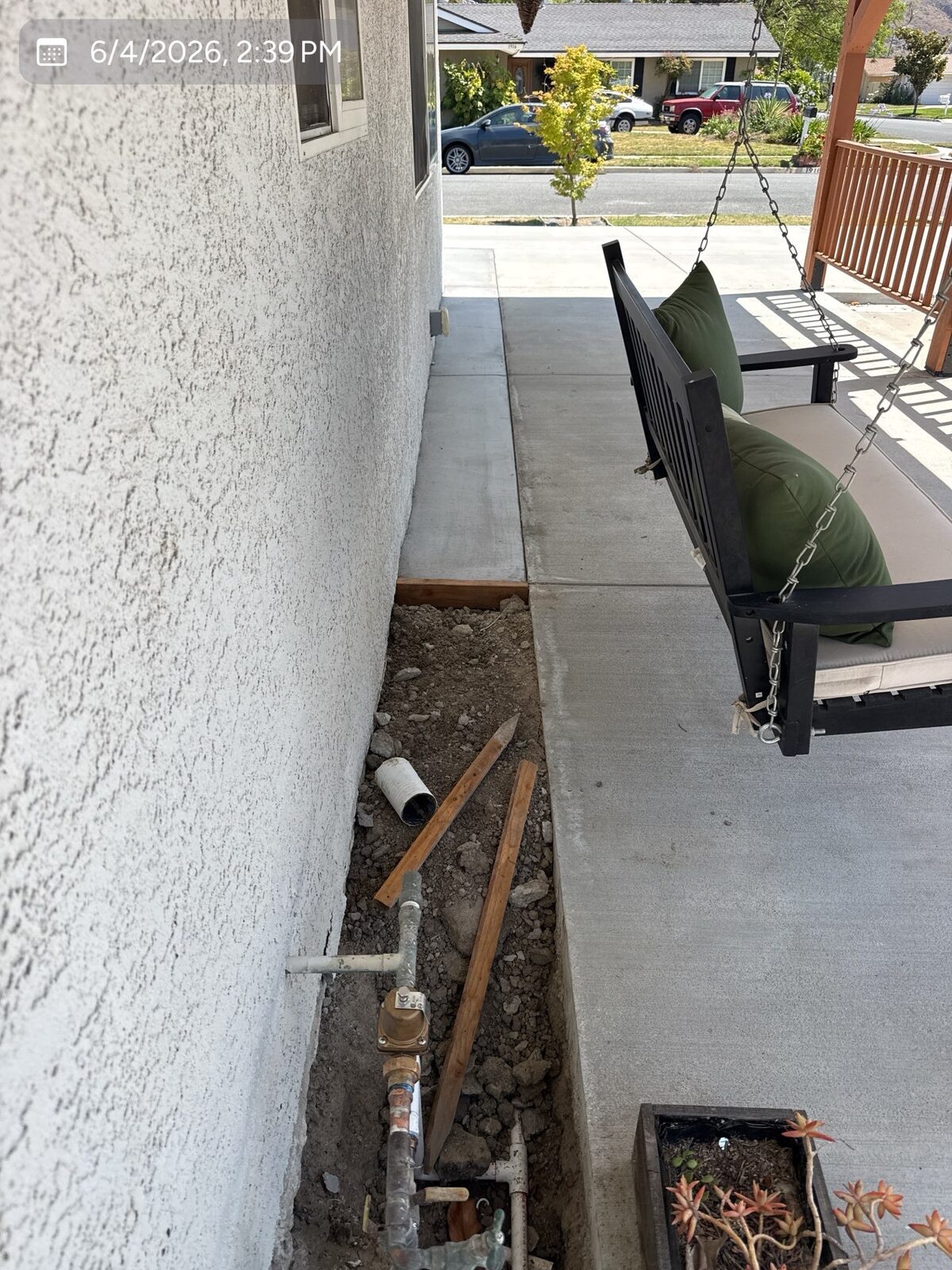
The irrigation shut-off valve was located at the front of the property, while irrigation valves were located at both the rear left and rear right corners of the property. Without utility locating or further testing, it would be reasonable to assume that a tee fitting existed beneath the irrigation shut-off valve, feeding one branch to the left side of the property and another branch to the right side.
At that stage, there were essentially two possible directions the leak could be located.
The plumbing company concluded that the leak was on the right-side irrigation branch.
However:
- No leak was ever pinpointed.
- No leak location was marked.
- No excavation point was identified.
- No evidence was produced supporting the conclusion.
- No testing was documented showing why the right-side branch was selected over the left-side branch.
The company simply chose one side of the property.
The Repair
Based on this diagnosis, the homeowner authorized extensive excavation and pipe replacement work.
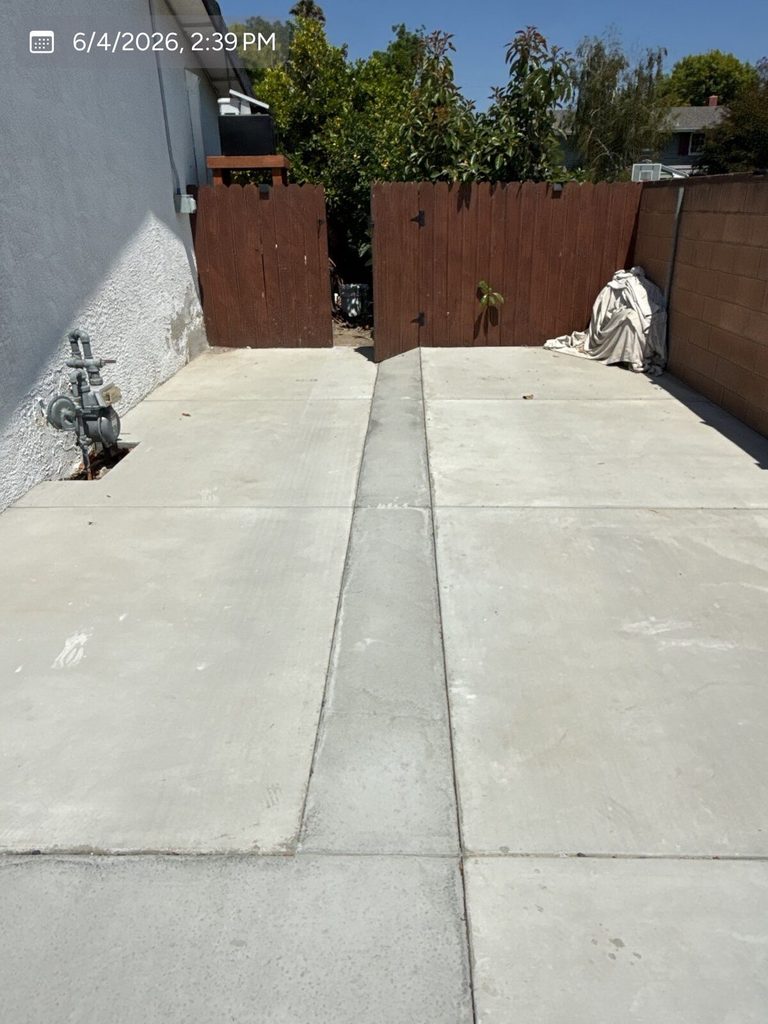
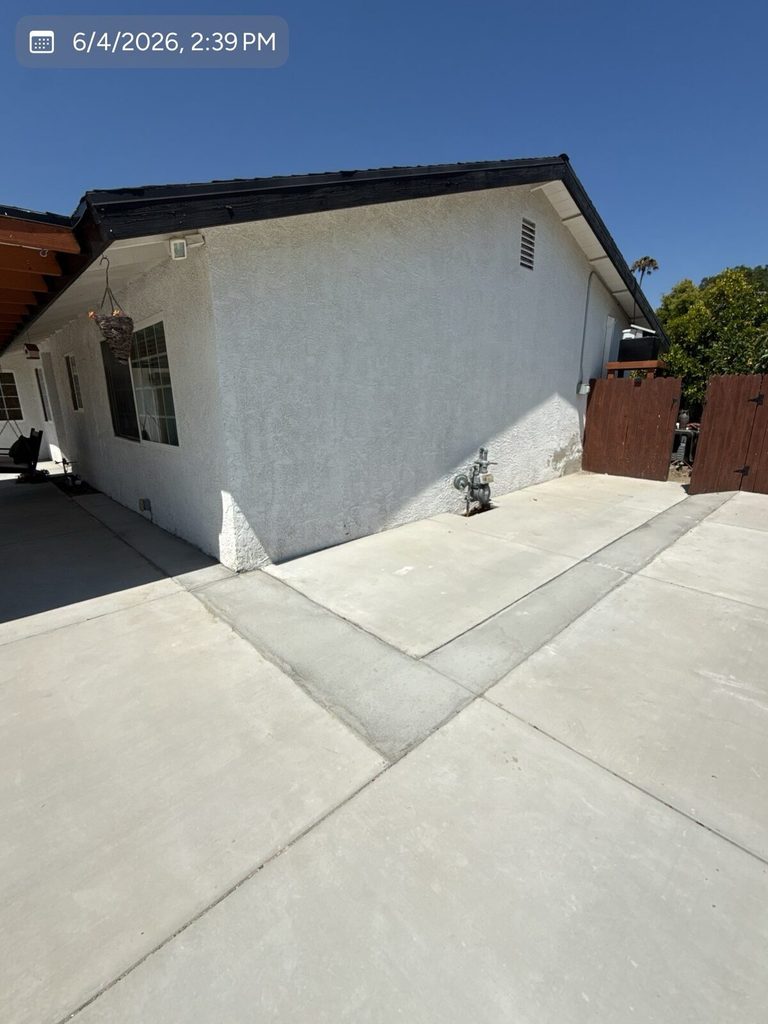
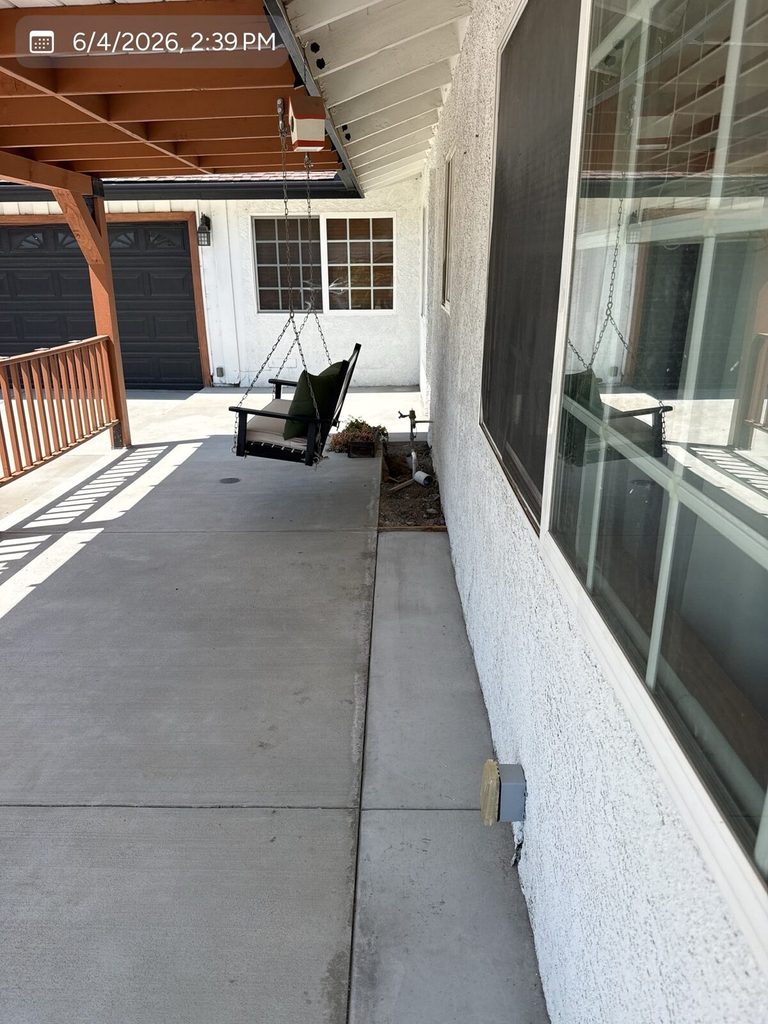
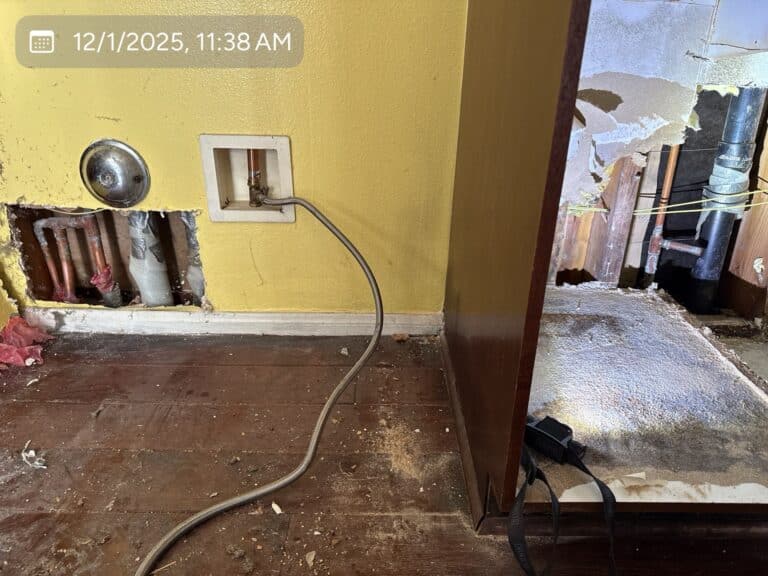
Large sections of concrete were saw-cut and removed. A new irrigation line was installed along the route identified by the plumbing company, and the concrete was subsequently restored.
The total cost exceeded $10,000.
During excavation, the homeowner observed that there was no visible water present anywhere within the trench and questioned whether the correct area was being repaired.
Unfortunately, her concerns proved justified.
Once the repair was completed and water service was restored, the leak remained completely unchanged.
Post-Repair Results
- The water meter continued registering the same leak flow rate.
- Water consumption remained unchanged.
- The leak was still active.
- The leak had never been repaired because it had never been located.
Second Opinion Investigation
The homeowner subsequently hired our company to perform a professional leak detection investigation.
Using specialized leak detection procedures, we identified the leak on the complete opposite side of the property.
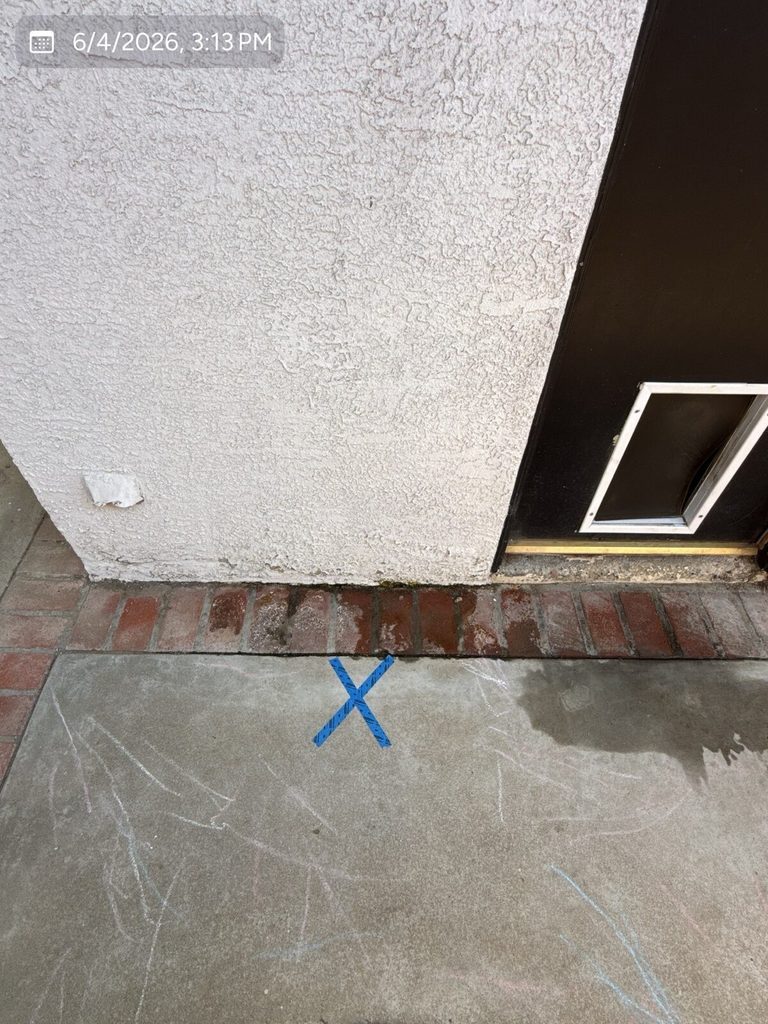
The leak was located directly beneath the area of water staining originally reported by the homeowner before any excavation had taken place.
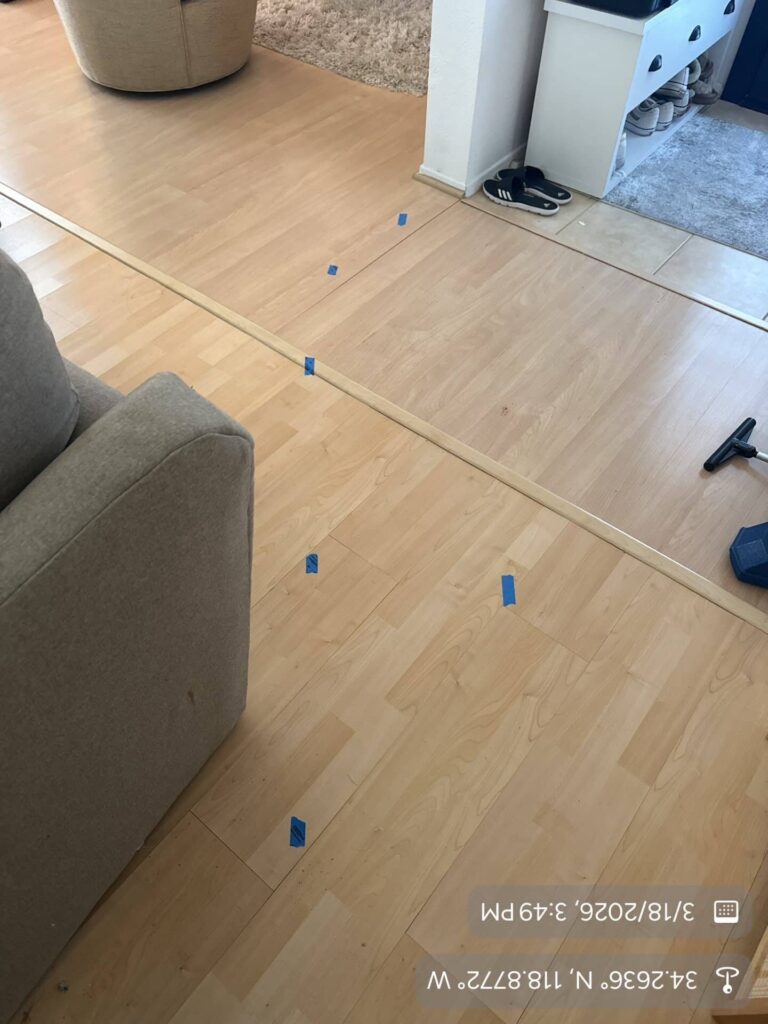
After confirming the leak location, we physically marked the surface directly above the failure point, providing the customer with a precise repair target.
Findings
Our investigation determined that the leak was located on the left-side irrigation branch, not the right-side branch where more than $10,000 worth of repairs had been performed.
The leak was:
- Not near the previous excavation.
- Not several feet away from the previous excavation.
- Not on the same irrigation branch.
- Located on the complete opposite side of the property.
Most notably, the leak was found exactly where the homeowner had originally observed visible water staining.
Root Cause Analysis
This case is particularly concerning because the original diagnosis was not merely inaccurate—it was fundamentally unsupported.
The original contractor had successfully narrowed the problem down to one of two possible irrigation branches. However, rather than performing the additional testing required to determine which branch contained the leak, a decision was made to proceed with excavation and pipe replacement based on assumption.
In practical terms, there was approximately a 50% chance of selecting the correct side of the property and the wrong branch was chosen.
Meanwhile, the only visible evidence available—the water staining observed by the homeowner—ultimately proved to be the actual leak location.
Why This Matters
Cases like this illustrate one of the most significant challenges facing consumers in the leak detection industry today.
Many plumbing companies advertise leak detection services despite having little or no specialized leak detection training, methodology, or equipment.
Consumers reasonably assume that because a company advertises leak detection, it possesses the expertise required to accurately locate underground leaks.
Unfortunately, that assumption is often incorrect.
When a leak is not accurately located, the solution frequently becomes:
- Exploratory excavation
- Pipe replacement
- Concrete demolition
- Landscape destruction
- Large-scale repairs based on assumptions rather than evidence
In this case, a properly performed leak detection investigation would have resulted in a small, targeted repair.
Instead, the homeowner spent more than $10,000 replacing piping on the wrong side of the property while the actual leak remained active.
The Incentive Problem
This case also highlights a broader industry concern.
Consumers currently have no reliable way to distinguish between a company that specializes in leak detection and a company that merely advertises leak detection services.
More importantly, there is often little accountability when a diagnosis is incorrect.
If a leak detection specialist fails to locate a leak, the value of their service is immediately questioned.
However, when a plumbing contractor misdiagnoses a leak location, the result can still be:
- Extensive excavation
- Large-scale pipe replacement
- Significant property damage
- Substantial repair invoices
The consumer believes they are paying for diagnostics.
In reality, they may be paying for construction based on an educated guess.
This is not an isolated incident.
This is not the first documented case of a company advertising leak detection services and failing to accurately locate the leak.
It is not the second.
And it will not be the last.
Until minimum standards, training requirements, certification programs, and accountability measures exist within the leak detection industry, homeowners will continue facing unnecessary property damage, unnecessary repair costs, and unnecessary frustration.
Final Results
Original Diagnosis
Right-side irrigation branch.
Actual Leak Location
Left-side irrigation branch beneath the area of visible water staining originally reported by the homeowner.
Amount Spent Following Incorrect Diagnosis
More than $10,000.
Outcome of Original Repair
Extensive concrete demolition, pipe replacement, and restoration work were completed while the original leak remained active and unrepaired.
Our Result
The leak was accurately located, confirmed, and surface marked, allowing the homeowner to pursue a targeted repair based on evidence rather than assumption.
Key Takeaway
Leak detection should identify the location of a leak before excavation begins—not after thousands of dollars have already been spent.
This case demonstrates the difference between replacing pipe based on assumptions and locating a leak through a systematic diagnostic process. Accurate leak detection protects homeowners from unnecessary demolition, unnecessary expenses, and unnecessary repairs by ensuring that repairs are performed where the leak actually exists.