
Case Study: High-Risk Gas Leak Detection — Santa Monica Incident
Case Type: Gas Leak Detection (High-Risk Scenario)
Location: Santa Monica
Outcome: Catastrophic outdoor leak identified and contained safely
Relevance: Life safety, methodology risk, and need for industry regulation
Performed By: Pegasus Leak Detection
Incident Overview
A vacant unit had its gas service shut off for an extended period. When the gas service was restored, the utility immediately detected an active leak, shut the system back down, and locked the meter for safety.
At that point, the customer was left without a defined path forward.
There are no clear consumer guidelines, no standardized process, and no regulated framework for gas leak detection. The customer was forced to seek independent leak detection services without knowing what qualifications or standards to look for.
The Industry Problem: No License, No Standards, No Oversight
This case highlights a critical and dangerous reality:
- There is no licensing requirement for gas leak detection
- There are no enforced safety methodologies
- There is no governing regulatory body
- There are no standardized training requirements
As a result, individuals entering this field often rely on:
- Informal advice
- Manufacturer guidance (which may be biased)
- Online videos and fragmented information
This creates a high-risk environment where improper methods can directly endanger lives.
Methodology Used: Pressurization and Methane Detection
Pegasus deployed a controlled diagnostic approach combining:
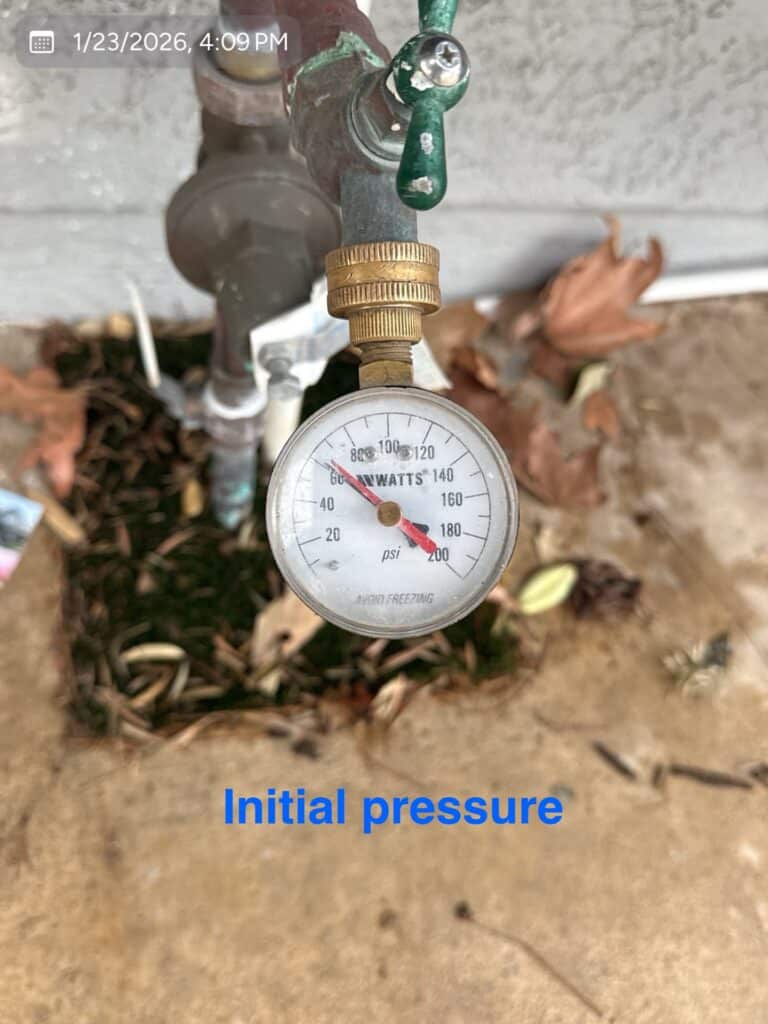
- System pressurization to approximately 15 PSI
- Advanced methane detection using high-sensitivity equipment
Why Methane Detection Matters
Modern methane detection technology has evolved significantly.
- High-sensitivity tools provide instant feedback
- Faster detection reduces exposure time
- Faster results lead to safer outcomes
When used correctly, this method is both efficient and effective.
Critical Observation: Catastrophic Leak Behavior
During testing:
- The system failed to build pressure within 60 seconds
- This immediately indicated a major breach
Further investigation revealed:
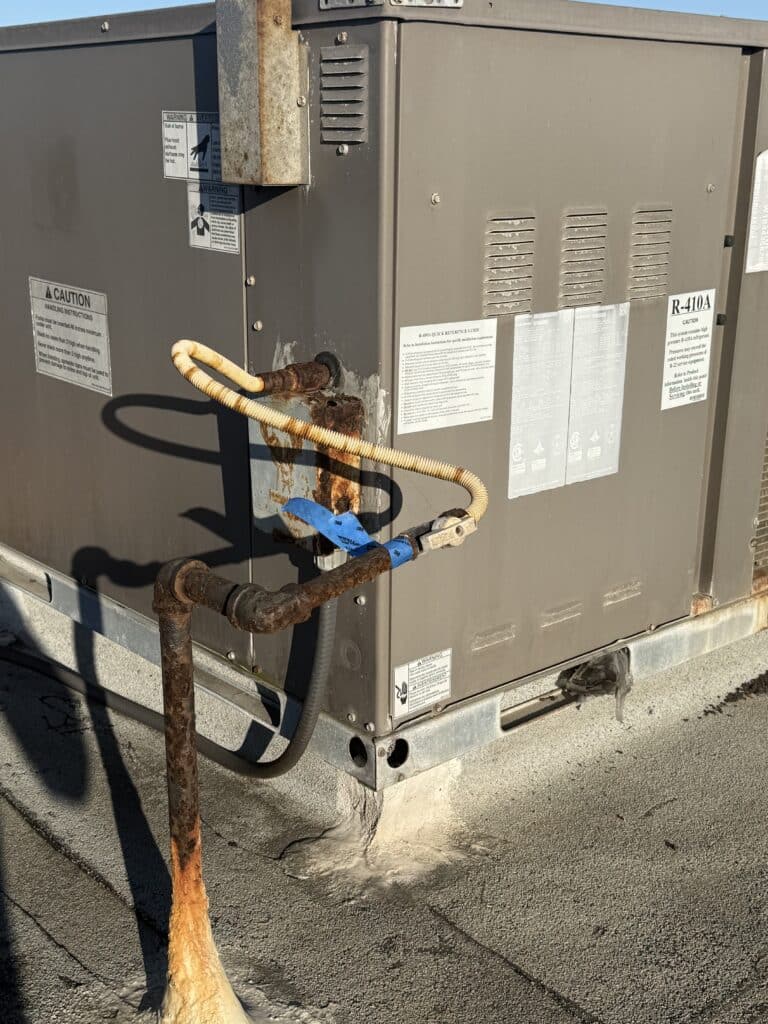
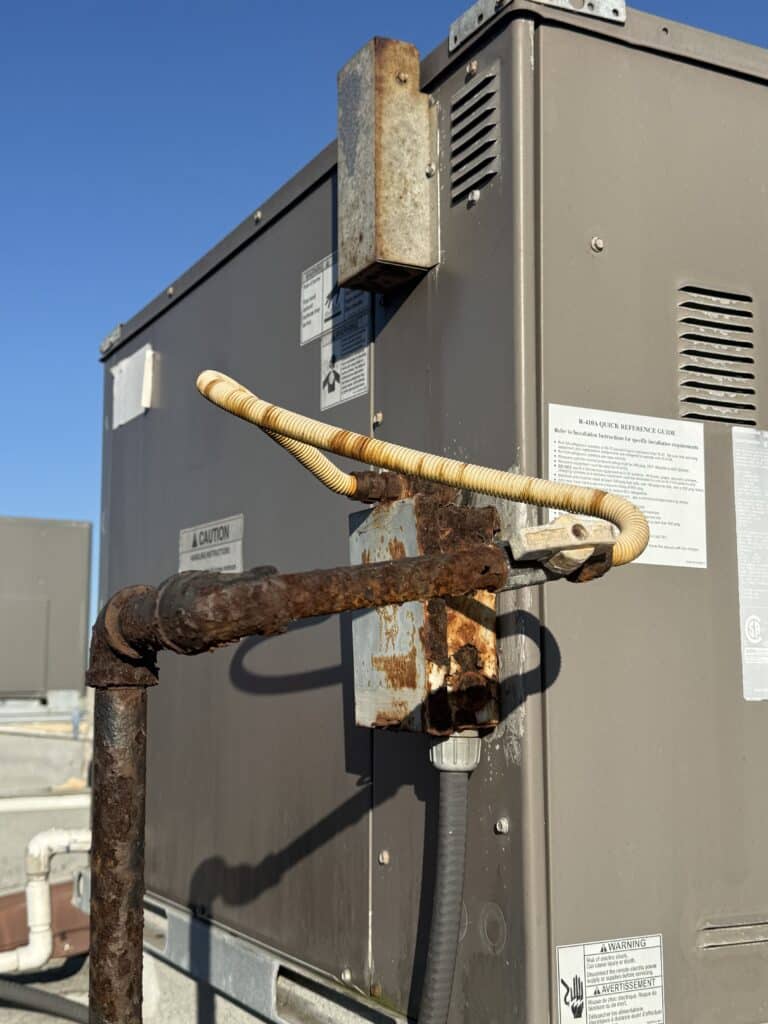
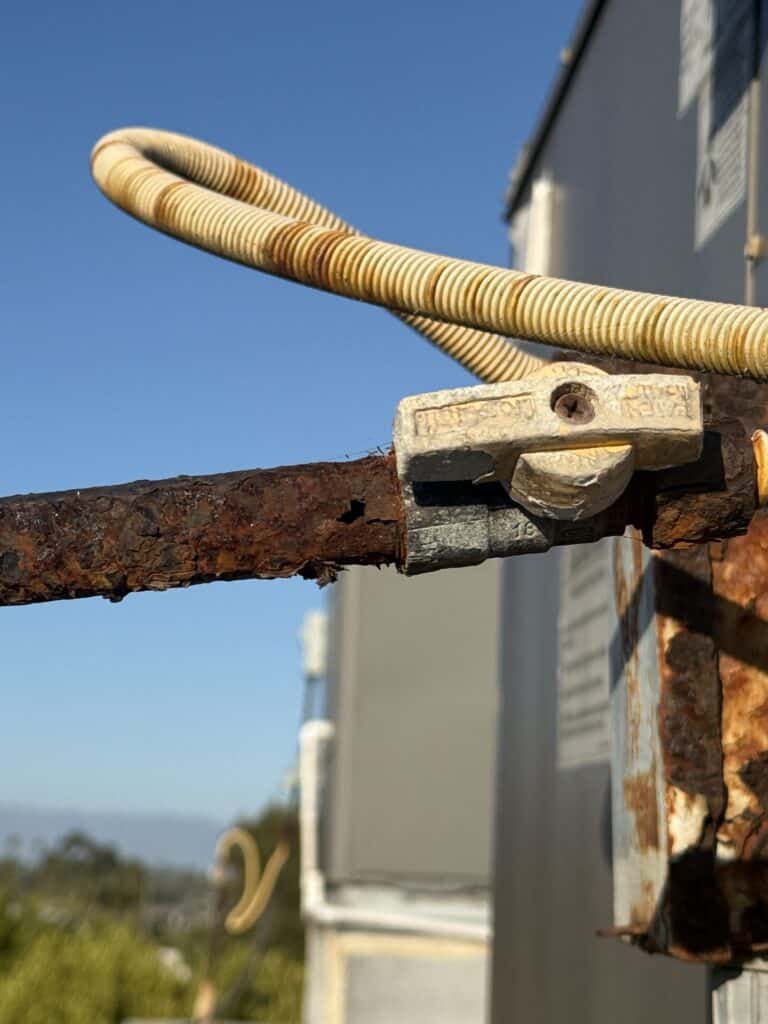
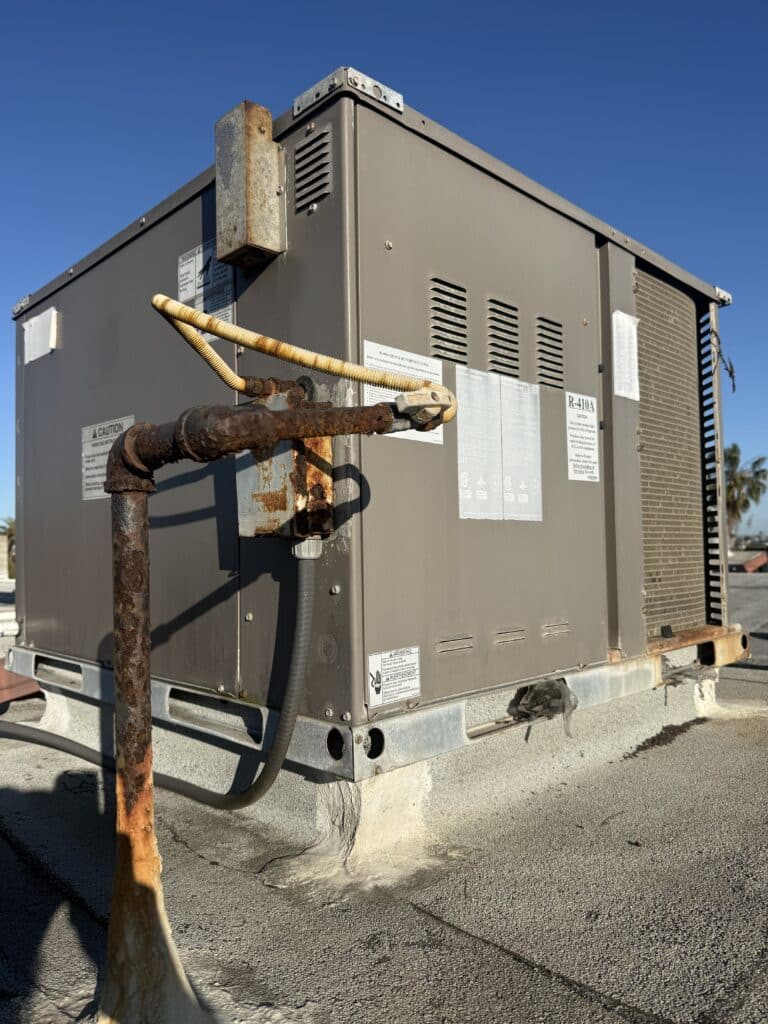
Leak Location & Condition
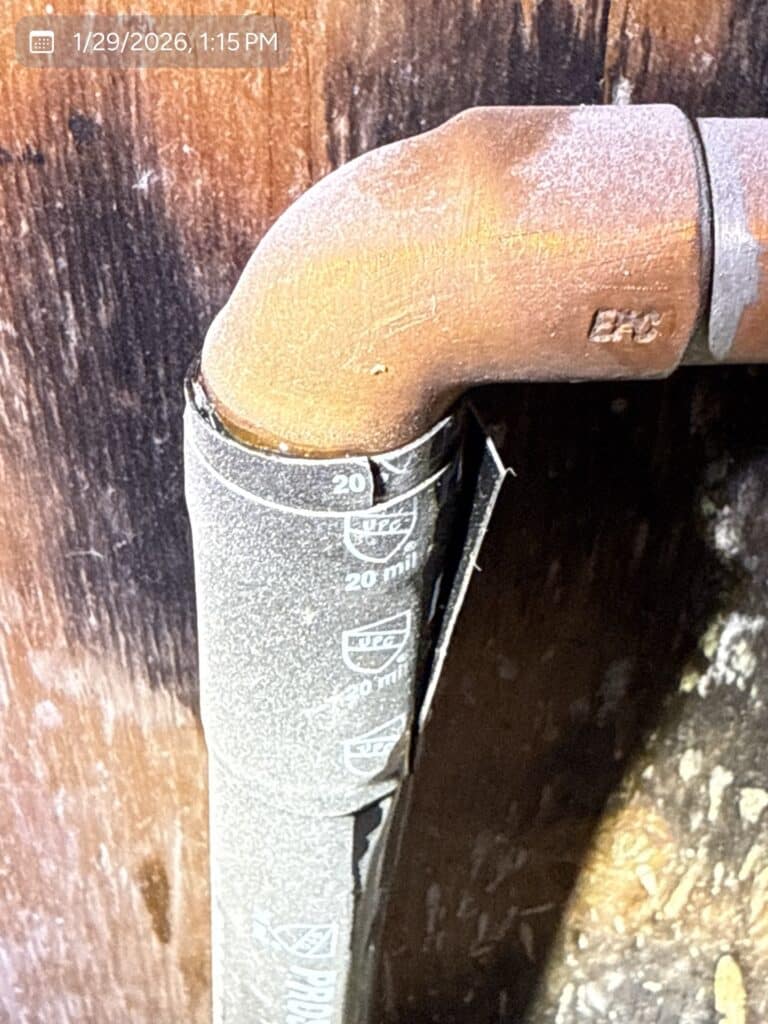
- Approximate ½-inch diameter hole in the gas pipe
- Active methane release during pressurization
- Leak located outdoors
The outdoor location was the single factor that prevented escalation.
The Danger: What Could Have Happened
Because residual methane remained in the system:
- Pressurization forced gas out of the breach
- The size of the failure created continuous high-flow discharge
If This Leak Were Indoors
The outcome could have been catastrophic:
- Rapid methane accumulation in an enclosed space
- Formation of an explosive gas-air mixture
- Any ignition source (switch, appliance, static) could cause:
- Explosion
- Structural damage
- Severe injury or loss of life
In practical terms:
The detection process itself can create an explosive condition if not handled correctly.
The Core Issue: High-Risk Methods Without Qualification
This methodology, when executed properly, is:
- Fast
- Effective
- Cost-efficient
However, when performed without proper training, it becomes:
- Uncontrolled gas release
- Lack of hazard assessment
- No mitigation strategy
- No emergency protocol
And currently, there is nothing preventing unqualified individuals from attempting it.
Industry Misconception: Plumbing vs Leak Detection
A major issue within the industry is the assumption that plumbing and leak detection are interchangeable.
They are not.
Owning equipment does not equal competency.
Pegasus is routinely called by companies that:
- Advertise leak detection services
- Possess basic tools
- Lack structured methodology and safety protocols
In a scenario like this, improper handling could have resulted in:
- Over-pressurization
- Indoor gas accumulation
- Failure to recognize catastrophic leak indicators
Why This Case Matters
This incident ended safely due to one critical factor:
The leak was outdoors.
If conditions were slightly different, the outcome could have been severe.
This case underscores several realities:
- Natural gas infrastructure is aging
- Urban environments are becoming more dense
- Leak detection carries real safety risk—not just technical complexity
Accurate leak detection is not only about finding leaks—it is about:
- Preventing environmental impact
- Reducing energy loss
- Protecting human life
The Need for Industry Regulation
This case clearly demonstrates the need for:
- Mandatory licensing for gas leak detection
- Standardized training and certification
- Defined safety protocols and procedures
- Separation between plumbing services and diagnostic services
- Accountability through documentation and oversight
Without these standards, consumers are exposed to:
- Unsafe diagnostic practices
- Mismanaged gas systems
- Potentially life-threatening situations
Our Position: Safety, Standards, and Responsibility
Pegasus Leak Detection advocates for:
- Industry-wide accountability
- Regulatory development
- Professional certification standards
- Collaboration across the industry
Our approach focuses on:
- Structured methodology
- Advanced technology
- Safety-first deployment
The objective is not just to locate leaks—but to do so without introducing new risk.
Final Message: Act Before Disaster Forces Reform
This case ended without incident—but not because of a system designed to protect the public.
It ended safely because of circumstance.
If this leak had been indoors, the outcome could have been entirely different.
History shows that regulation often follows tragedy.
The goal is to prevent that outcome—not respond to it.
Closing Statement
Leak detection is not a side service.
It is a specialized, high-risk discipline that requires:
- Training
- Methodology
- Accountability
- Professional standards
The time to establish those standards is now—not after preventable damage or loss.