
Slab Leaks: What Causes Them and How to Fix Them Without Tearing Up Your Home
Slab leaks are one of the most stressful problems a homeowner can face. They hide under concrete, run continuously, and quietly destroy your foundation. Yet most slab leaks start small. They give warning signs that many people miss. The good news? You can often repair them without ripping apart your entire floor. Let’s break down what slab leaks are, why they happen, and how Pegasus Leak Detection finds and fixes them with minimal damage.
What Exactly Is a Slab Leak?
A slab leak occurs when a water line underneath your concrete foundation breaks, cracks, or corrodes. Because these pipes sit below the slab, the water has nowhere to escape. It spreads under your home, softens soil, and puts pressure on the foundation. Over time, the slab begins to shift, and that movement causes even more problems.
These leaks often run nonstop, which means they cause major damage fast if no one catches them early.
What Causes a Slab Leak?
Slab leaks happen for several reasons, and many start years before symptoms appear. Some of the most common causes include:
1. Pipe Corrosion
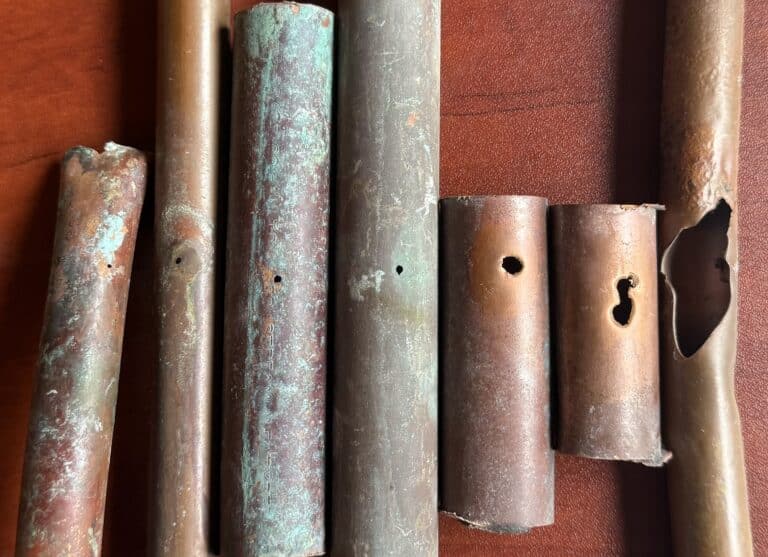
Old copper pipes can corrode from the outside or inside. Hard water, chemicals in soil, and even electrical grounding issues can speed up corrosion.
2. High Water Pressure
Constantly elevated pressure puts strain on your plumbing system. Over time, the pressure wears down pipes and creates cracks.
3. Poor Construction
Some homes are built with pipes placed too close to concrete or soil. When pipes rub against rough surfaces, friction slowly wears them out.
4. Shifting Soil
Soil moves as moisture levels change. When it expands or contracts, your foundation shifts with it. That pressure can weaken buried pipes.
5. Temperature Changes
Hot water lines expand under continuous heat. That constant movement weakens copper pipes and increases the chance of leaks.
Early Signs You May Have a Slab Leak
Because slab leaks hide, you’ll often notice symptoms long before you actually see water. Some of the biggest indicators include:
- Random warm spots on the floor
- Cracks forming in the flooring or walls
- Sound of running water with everything off
- Sudden spike in your water bill
- Mold or musty smells inside the home
- Damp carpet or warped laminate
If you see even one of these signs, it’s important to get the leak located quickly. Slab leaks do not fix themselves, cause damage to the environment and get expensive fast.
How Pegasus Leak Detection Locates a Slab Leak
Finding a slab leak requires specialized training and equipment. Breaking concrete blindly is never the answer. Pegasus Leak Detection uses a combination of advanced tools to pinpoint the exact location:
Acoustic Leak Detection
We use high-sensitivity listening devices to track the sound of water escaping underground.
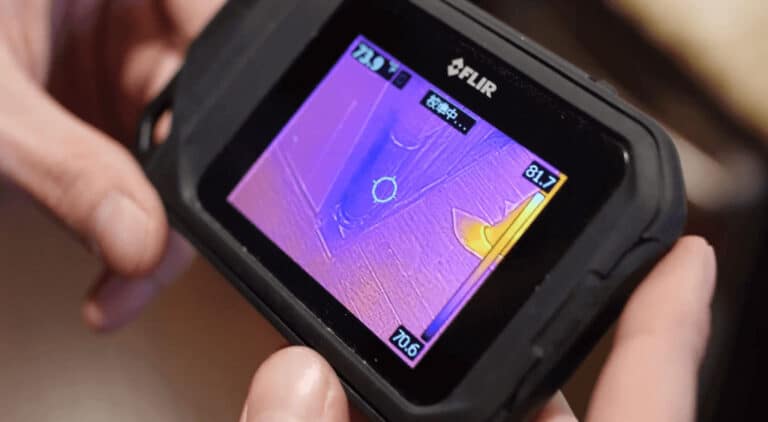
Thermal Imaging
Heat patterns reveal hot-water slab leaks through flooring.
Pressure Testing
This test confirms which line is leaking and rules out other areas of the home.
Electronic Line Tracing
We map out where your pipes actually run so we don’t guess.
This combination allows us to locate leaks accurately without unnecessary demolition. You get answers fast, and your plumber gets a clear plan for repairs.
Modern Slab Leak Repair Doesn’t Require Destroying Your Home
The biggest fear homeowners have is crews tearing up their floors. While some leaks require opening the slab, many do not. Today, plumbers have multiple repair options:
Spot Repair
If the leak sits in one clean, accessible location, the plumber can do a slab leak repair by opening a small section of concrete, repair the pipe, and close it back up.
Rerouting the Line
When a pipe has multiple weak points, plumbers often offer repiping services which include capping the old line and run a new pipe overhead through walls or the attic. This avoids cutting into the slab entirely.
Pipe Re-lining
Some systems allow epoxy coating inside the pipe. This approach seals cracks from the inside, though it depends on the condition of the plumbing.
Pegasus Leak Detection will guide you on the best repair approach after we locate the leak.
Why You Should Never Delay a Slab Leak Inspection
Slab leaks run nonstop. The longer they continue, the more damage they create. Delaying an inspection can lead to:
- Foundation movement
- Cracked floors
- Mold growth
- Structural issues
- Higher water bills (Check out Our Water Loss Calculator)
- Costly reconstruction
Early detection protects your home and prevents months of repairs.
Get Fast, Accurate Slab Leak Detection Today
Pegasus Leak Detection specializes in locating slab leaks without unnecessary destruction. We find the exact source, explain your repair options, and help you move forward with confidence.
If you’re seeing ANY of the signs, don’t wait. The sooner the leak is found, the easier and cheaper the fix becomes.
Schedule a slab leak inspection today and protect your home from serious structural damage.