
Case Study: Prolonged Undiagnosed Leak in Condo Complex Due to Lack of Basic Testing Standards
Incident Overview
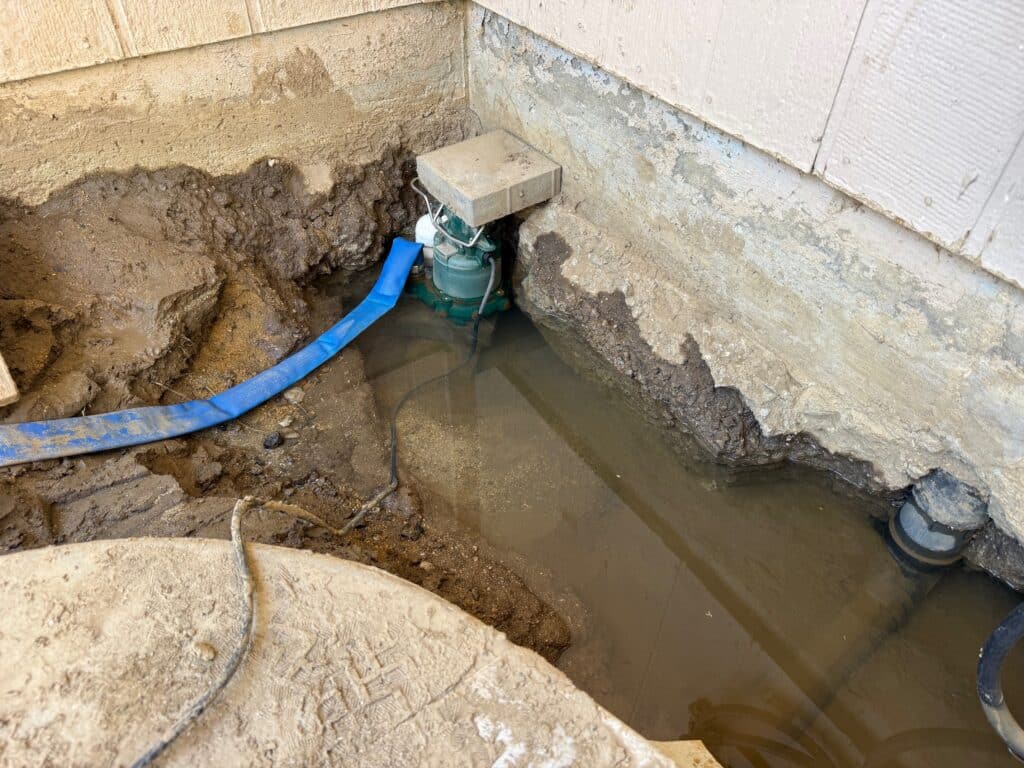
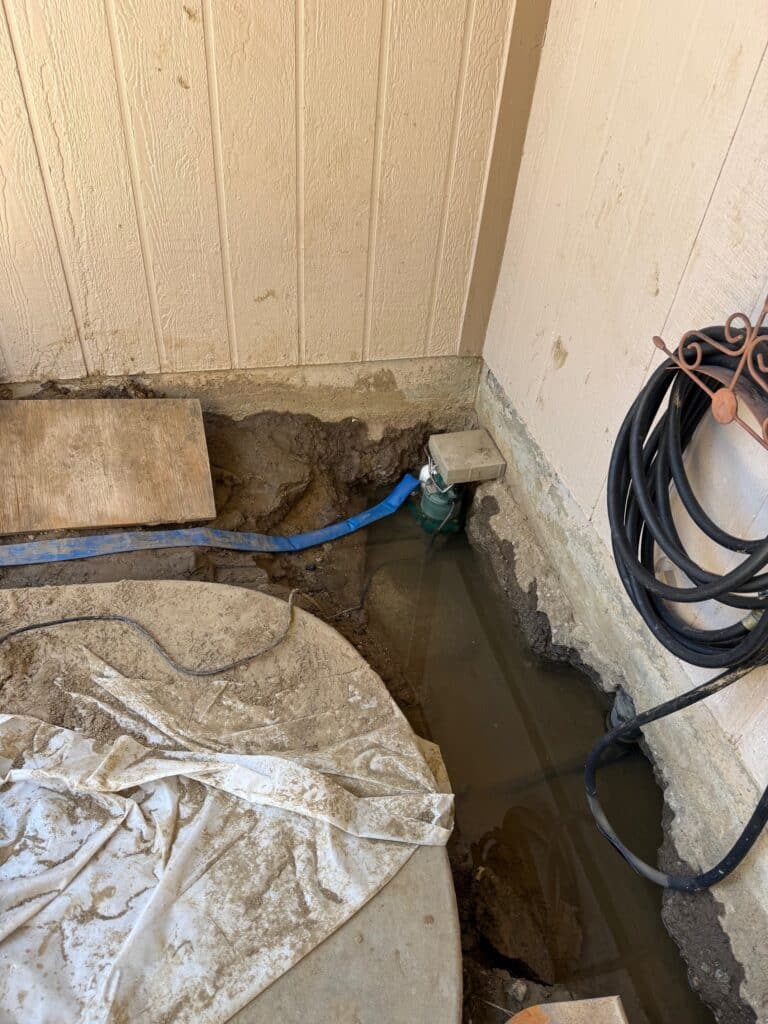
A condominium homeowner reported persistent flooding at the front of their property, which had been ongoing for several months. The situation escalated to the point where:
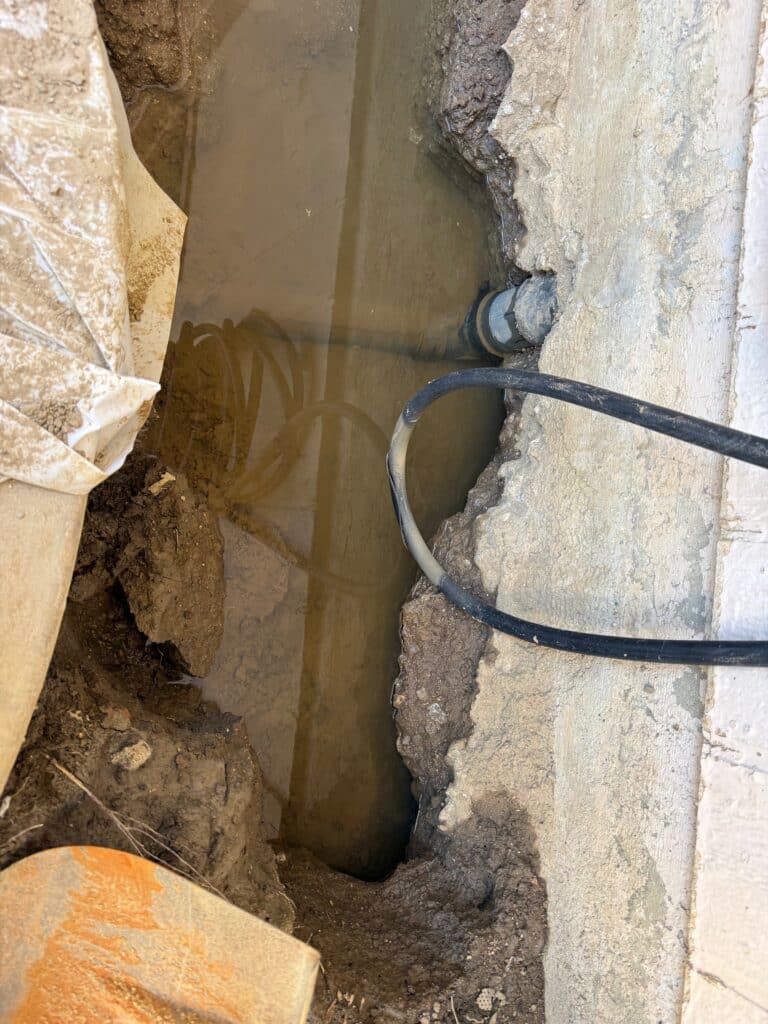
- A large trench was excavated at the front of the property
- The trench continuously filled with water
- A permanent pump system was installed to manage the flooding
Despite multiple contractors and plumbing companies being involved, no one could determine:
- Which system the leak originated from
- Whether it was irrigation, main supply, or a unit-specific issue
- The actual location of the leak
Property & System Layout Complexity
The property presented a moderately complex but very common setup:
- Multi-unit condo complex with shared walls
- Each unit has:
- Its own domestic water system
- Its own shut-off valve
- The HOA manages:
- A separate irrigation system
- A main supply line feeds all units from the street
While multiple systems exist, standard diagnostic procedures are specifically designed to isolate these variables quickly.
Observed Conditions Upon Arrival
Our team immediately noted:
- A water-filled trench at the front of the property
- Active pumping due to continuous refill
- Evidence of long-term excavation and unsuccessful attempts
- Customer reports of:
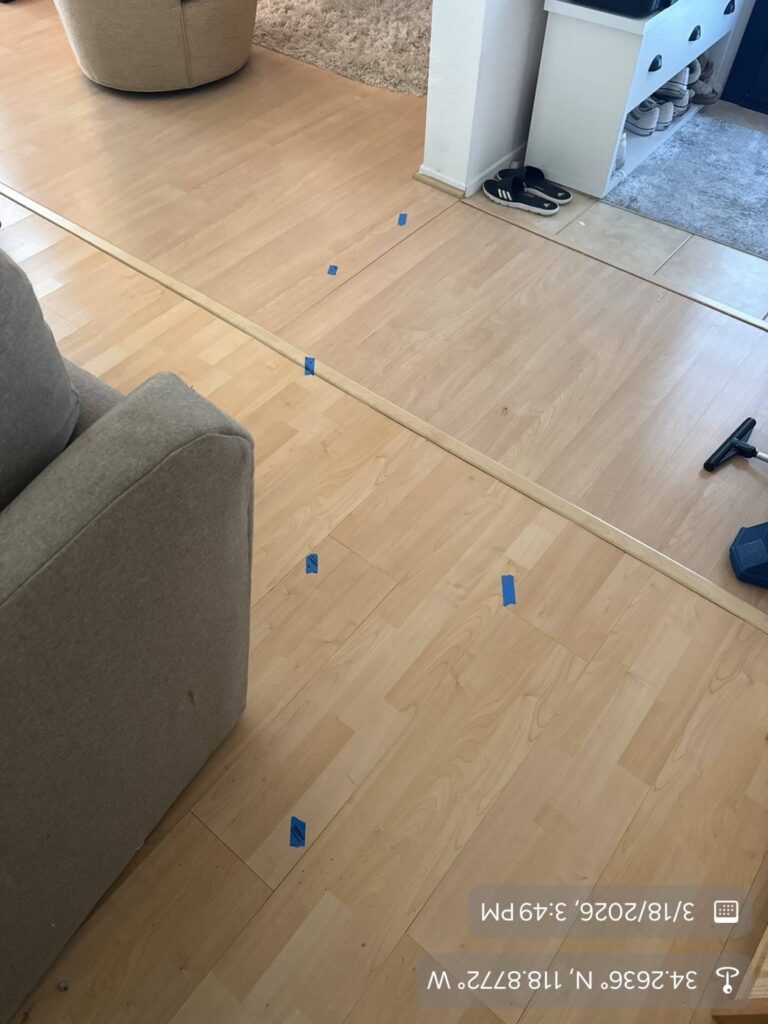
- Warm spots on flooring
- Continuous water movement sounds
Diagnostic Process (What Should Have Been Done Initially)
1. Basic Pressure Test (Code-Compliant)
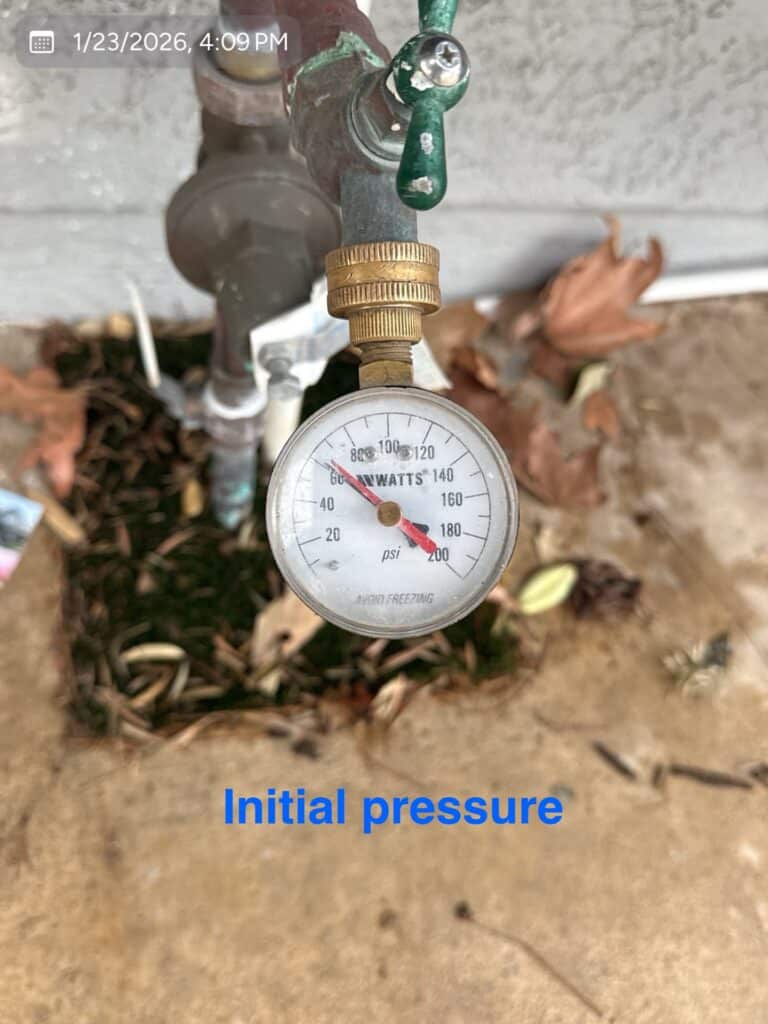
We performed a simple hydrostatic pressure test on the affected unit.
Result:
- Pressure dropped to zero within seconds
- Immediate confirmation of a major active leak within the unit
This single test alone should have eliminated:
- Irrigation system
- Shared main line
- Neighboring units
2. Ultrasonic Leak Detection
Without invasive measures or unnecessary excavation:
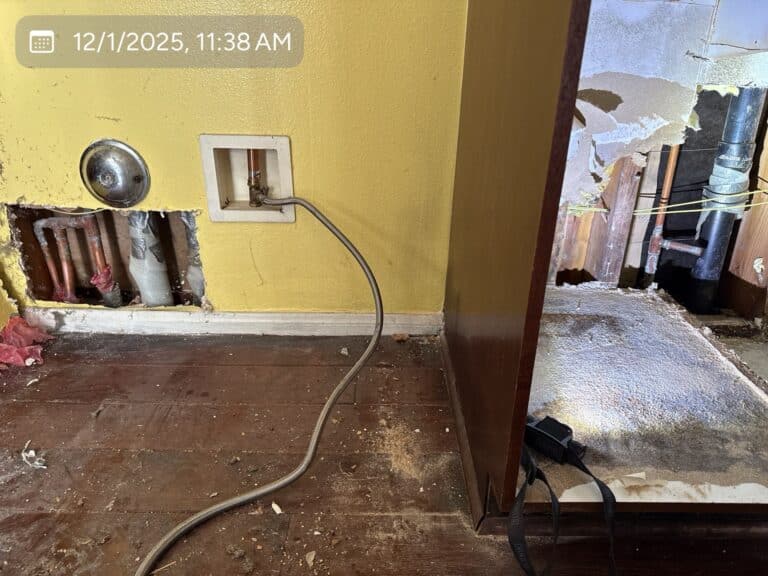
- We accessed fixtures inside the home
- Used professional ultrasonic equipment
- Detected clearly audible leak signatures
Result:
- Leak definitively traced to the hot water system
3. Common-Sense Indicators (Previously Ignored)**
The following were obvious red flags that were completely overlooked for months:
- Warm flooring indicating a hot water leak
- Constant sound of running water
- Water heater operating continuously
- Increased gas usage
These indicators strongly pointed to an internal hot water leak.
Final Outcome
We successfully:
- Isolated the leak to a single condo unit
- Identified the issue within the hot water plumbing system
- Pinpointed the leak location in the kitchen area
- Provided targeted repair solutions
Critical Failures Identified
1. Complete Absence of Basic Diagnostic Testing
No prior contractor performed:
- Pressure testing
- System isolation
- Acoustic or ultrasonic evaluation
These are entry-level procedures in professional leak detection.
2. Misplaced Excavation and Costly Guesswork
Instead of testing:
- Extensive jackhammering and trenching was performed
- Resources were wasted on symptom management rather than diagnosis
3. Failure to Isolate Systems
Despite multiple water systems:
- No effort was made to determine which system was losing pressure
- This resulted in prolonged confusion and unnecessary cost
4. Overreach by Non-Specialists
This case reinforces a recurring issue:
Plumbing companies attempted leak detection without proper training or methodology.
Owning tools or offering the service does not equal competency.
Industry Insight: Why This Happened
This failure is systemic.
Without regulation:
- Anyone can claim to perform leak detection
- There are no enforced diagnostic standards
- Customers are exposed to:
- Misdiagnosis
- Property damage
- Unnecessary expenses
The Case for Industry Regulation
This case demonstrates why formal regulation and certification standards are urgently needed.
Regulation Would Ensure:
- Mandatory diagnostic protocols, including pressure testing first
- Proper training in acoustic and system isolation techniques
- Accountability for destructive versus non-invasive methods
- Clear distinction between plumbing repair and professional leak detection
Our Approach vs Industry Failure
Our methodology is built on:
- Non-invasive scientific testing procedures
- Advanced ultrasonic technology and proprietary methods
- Strict adherence to diagnostic sequencing
- Zero reliance on guesswork
Result:
- Rapid isolation
- Minimal property damage
- Accurate location identification
- Cost-effective repair solutions
Final Takeaway
This situation persisted for months, caused ongoing damage, and resulted in significant unnecessary expense—all due to the absence of basic, standardized testing procedures.
A properly trained leak detection professional could have isolated this issue in under an hour.