Common Leak Detection Scams

Leak detection is a consulting service — not a repair trade — and it’s one of the most misunderstood corners of the plumbing world. There’s no state license, no regulatory board, and no industry-standard education. That means anyone can claim they “do leak detection,” even if they’re guessing.

At Pegasus Leak Detection, we’re committed to transparency, integrity, and long-term solutions — not sales tactics. This page is here to help you spot the most common scams we see in the field, so you can protect your home (and your wallet).

What to Watch Out For

Some companies advertise an ultra-low price (or “special”) just to get inside — then the real cost shows up in the upsell: a repipe, jackhammering, “multiple leaks,” or a big repair package.
What to Ask?
“Is this a true diagnostic service with a written conclusion?”
“Do you repair, or are you detection-only?”

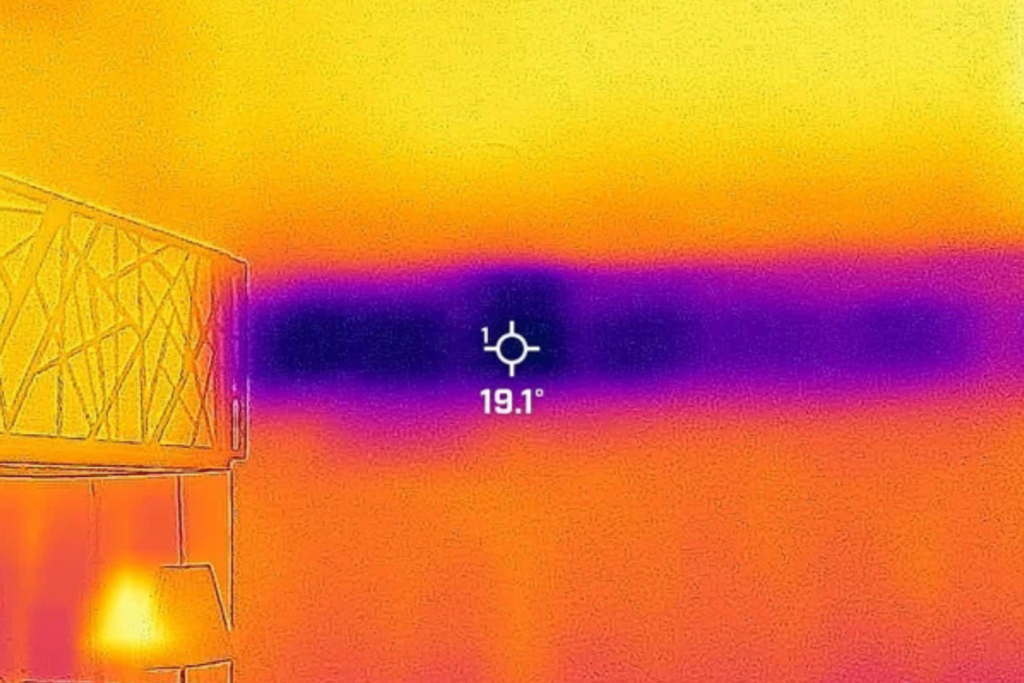
Moisture meters and thermal cameras can show where water traveled — not where it’s coming from. When those tools are the main evidence, it’s often theater, not diagnostics.

Red flag: no isolation, no system understanding, no verification — just “look, it’s wet here.”

If their “leak detection special” is basically the steps any company does just by showing up, you’re not paying for diagnostics — you’re paying for a sales visit.

What you should get instead: real testing + clear findings.

If a contractor says they can’t find your leak because the entire pipe is sleeved under the slab, that’s usually incorrect.

Pipes are required to be sleeved only where they pass through concrete. The sleeve typically extends just a few inches above and below the slab — not the full length of the pipe.

It is extremely rare for an entire underground pipe run to be fully sleeved.

When this explanation is used, it often means:

  • They don’t have the right equipment
  • They can’t properly isolate the system
  • They’re inexperienced with slab leak diagnostics
  • Or they’re setting up a larger repair recommendation

If you’re told this, it’s a red flag. Consider getting a second opinion before approving major work.

It’s extremely rare to confirm multiple active leaks without thorough testing and clean isolation. Some techs confuse sound travel, crossover issues, or bad test setups and turn it into “you’ve got multiple leaks.”

Red flag: they can’t clearly explain how they confirmed more than one leak.

Jackhammering through a slab can destroy tile, compromise the vapor barrier, and create avoidable restoration costs. Sometimes it’s necessary — but it should not be the default recommendation.

Red flag: they push demolition before explaining alternatives like reroutes or proper verification.

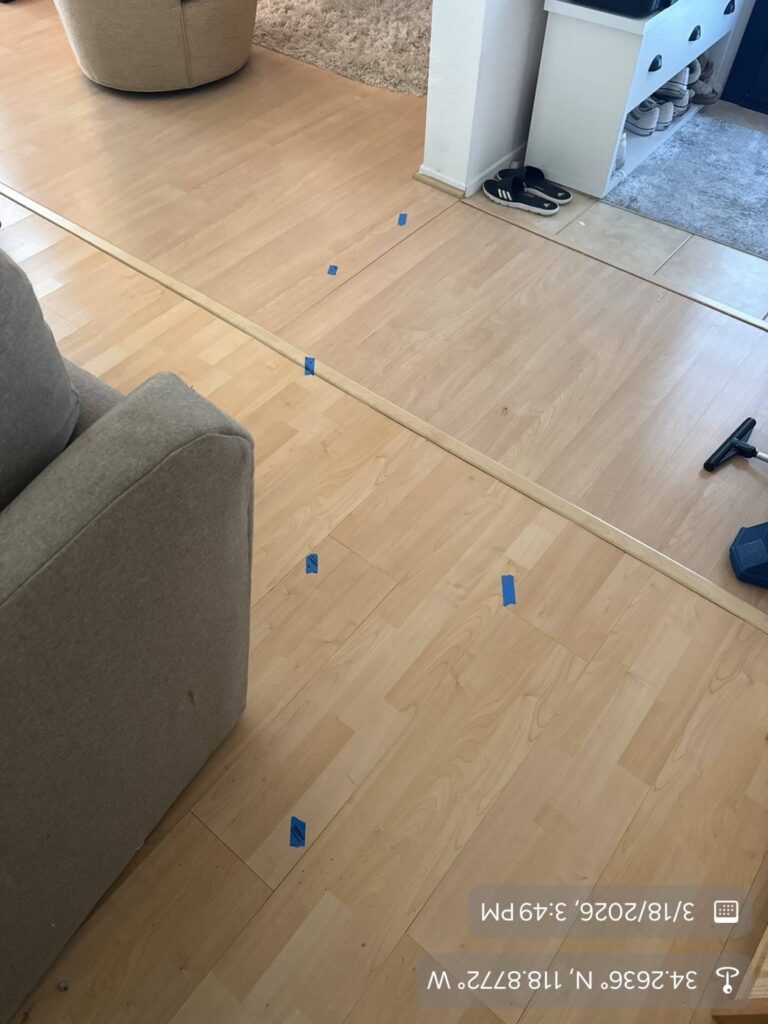
If the “locate” is a big 2×2 or 4×4 area, it usually means they’re not confident. Precision matters — vague markings lead to unnecessary damage.

What good looks like: a confident, specific mark with a clear explanation.

This is one of the most common setups: detection is “free” because the real goal is selling a repair. That creates an obvious conflict of interest.

Red flag: they won’t provide a stand-alone diagnostic conclusion unless you sign a repair estimate.

General plumbing outfits sometimes offer leak detection as a side service, subcontract it out, or wing it. Dedicated detection is a different world.

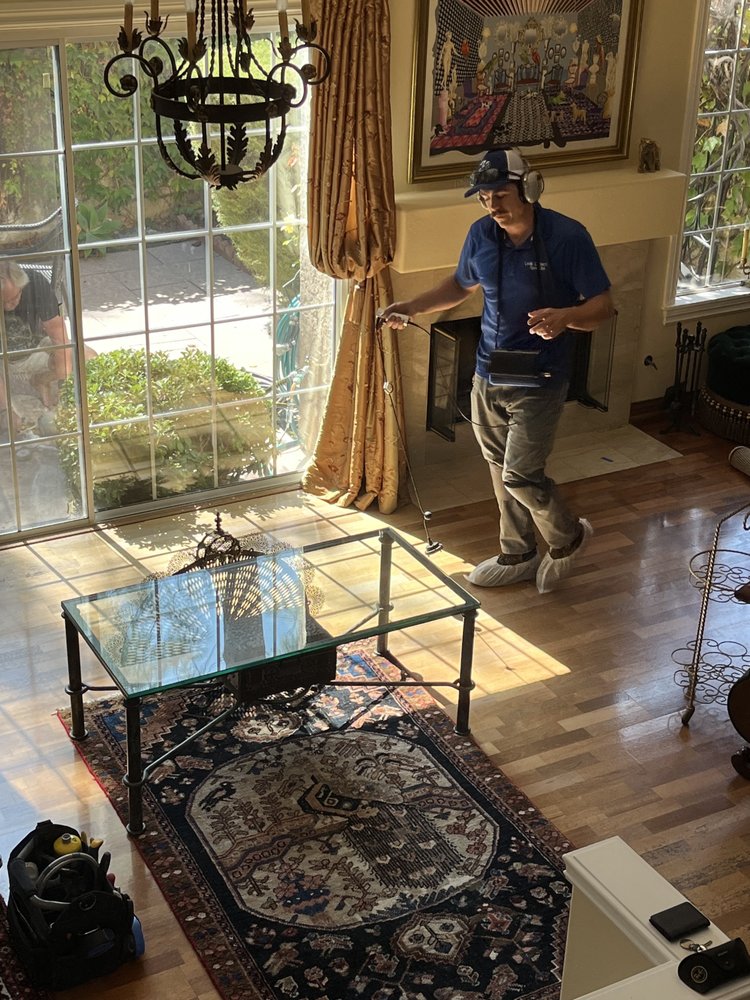
We don’t just “do leak detection.” We live it.

What You Should Receive From Legitimate Leak Detection

If you’re paying for leak detection, you should walk away with:

  • A clear explanation of what was tested and why
  • What the most likely source is (and what was ruled out)
  • Where the leak is believed to be (with precision)
  • Next-step options (repair vs reroute vs additional verification)
Sewer Camera Inspection in Oxnard
missing insulation
Utility Line Location Services

If you’re unsure about another company’s diagnosis — or you feel pressured into a big repair — reach out. We’ll help you understand what’s real, what’s not, and what your smartest next step is before you spend thousands.
locally Serving You
Book an Appointment

Let’s find that leak